








What's Happening?
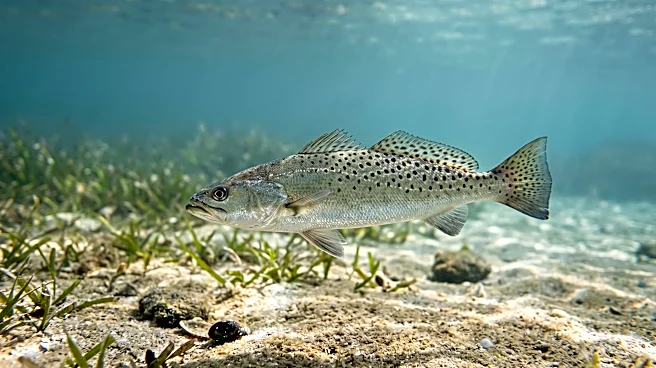
The Florida Fish and Wildlife Conservation Commission (FWC) has announced that the recreational harvest season for spotted seatrout in the Indian River management region will close on November 1. This closure is part of the FWC's holistic management approach
for Florida's inshore fisheries, which utilizes a suite of fishery-specific and environmental metrics to evaluate regional fisheries. While the Indian River region faces a closure, recreational harvest of spotted seatrout remains open in all other management regions across Florida. These regions include Panhandle, Big Bend, Tampa Bay, Sarasota Bay, Charlotte Harbor, Southwest, Southeast, and Northeast. The open status applies to all Florida state and inland waters within these regions, as well as adjacent federal waters. The FWC's approach allows for greater responsiveness to local concerns by tailoring management strategies to specific regional conditions. Detailed information regarding spotted seatrout regulations, including annual reviews and key findings from evaluations, is available on the MyFWC.com/Marine website under 'Spotted Seatrout' and 'Recreational Regulations'.
Why It's Important?
This closure in the Indian River management region is important for the conservation and sustainable management of spotted seatrout populations in Florida. By implementing regional closures, the FWC aims to protect fish stocks during critical periods, ensuring the long-term health and abundance of this popular inshore species. The holistic management approach signifies a shift towards more localized and adaptive conservation strategies, allowing the FWC to respond effectively to specific environmental and fishery metrics in different parts of the state. This targeted approach helps prevent overfishing in vulnerable areas while allowing recreational fishing to continue in regions where populations are stable. For recreational anglers, understanding these regional regulations is crucial to avoid violations and contribute to conservation efforts. The FWC's commitment to data-driven management underscores the importance of scientific assessment in maintaining healthy marine ecosystems and supporting sustainable recreational fishing opportunities, which are vital to Florida's economy and outdoor culture.
What's Next?
Recreational anglers in the Indian River management region must adhere to the closure beginning November 1. For those fishing in other regions, the recreational harvest of spotted seatrout will continue under existing regulations. The FWC provides specific regional recreational regulations for spotted seatrout, which include varying open and closed seasons, bag limits, slot limits, and over-slot allowances. For instance, the Panhandle region has an open season from March 1 to January 31 with a February closure, a bag limit of three fish per person, and a slot limit of 15–19 inches. The Big Bend region, conversely, has a year-round open season with a five-fish bag limit. Anglers are encouraged to consult the MyFWC.com/Marine website for the most current and detailed information on spotted seatrout regulations for their specific fishing location. The FWC will continue to monitor the spotted seatrout populations and environmental metrics in all regions to inform future management decisions and ensure the sustainability of the fishery.
Beyond the Headlines
The FWC's regional management strategy for spotted seatrout highlights a growing trend in wildlife and fisheries management towards more granular, ecosystem-based approaches. Instead of blanket regulations, this method acknowledges the ecological diversity and varying pressures on fish populations across different geographical areas. This approach can lead to more effective conservation outcomes by addressing specific regional challenges, such as habitat degradation, water quality issues, or localized fishing pressure. It also fosters greater engagement with local communities and stakeholders, as regional concerns directly influence policy decisions. The success of such adaptive management relies heavily on robust scientific data collection and continuous monitoring, emphasizing the critical role of research in conservation. Furthermore, these regional regulations can influence local economies, impacting bait and tackle shops, fishing guides, and tourism, underscoring the interconnectedness of environmental policy and economic well-being. This model could serve as a blueprint for managing other species facing similar regional variations in population health and environmental conditions.