







What's Happening?
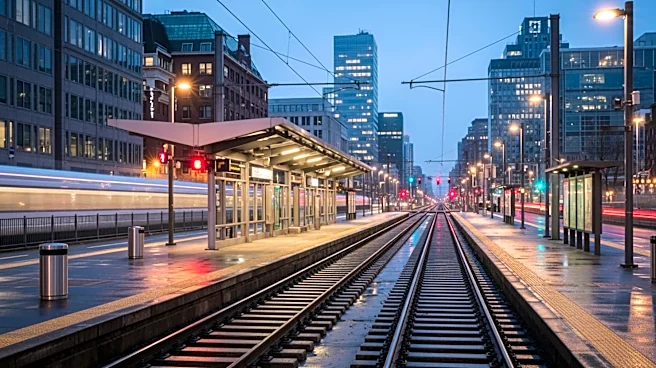
As the 2026 FIFA World Cup approaches, fans traveling to various U.S. host cities will experience significant differences in public transit options. In Atlanta, the Metropolitan Atlanta Rapid Transit Authority (MARTA) is maintaining low fare prices to accommodate
the influx of visitors. This contrasts with other cities that are either increasing transit fares or relying heavily on bus systems to manage the expected surge in passengers. The disparity in transit strategies highlights the logistical challenges cities face in preparing for the large-scale event. Each host city is implementing unique solutions to ensure efficient transportation for fans attending the matches.
Why It's Important?
The variation in transit plans across U.S. host cities for the World Cup is crucial as it affects the overall experience for international and domestic visitors. Efficient and affordable public transportation is essential for managing the large crowds expected at such a global event. Cities that offer seamless transit options may enhance their reputation as tourist-friendly destinations, potentially boosting local economies through increased spending on accommodations, dining, and entertainment. Conversely, cities with less effective transit solutions may face logistical challenges, leading to visitor dissatisfaction and potential economic drawbacks. The success of these transit plans could influence future decisions on hosting large-scale international events.
What's Next?
As the World Cup draws nearer, host cities will continue to refine their transit strategies to accommodate the expected influx of visitors. This may involve further adjustments to fare structures, increased frequency of service, or additional infrastructure investments. Stakeholders, including city planners, transit authorities, and local businesses, will likely collaborate to ensure a positive experience for fans. The effectiveness of these transit solutions will be closely monitored, providing valuable insights for future event planning and urban transportation management.