








What's Happening?
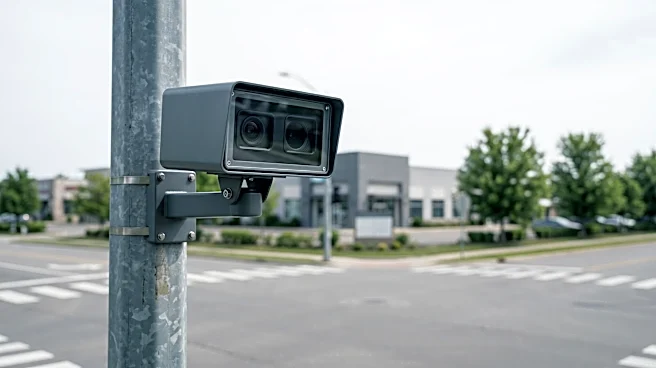
Frank McGrath, a former Kenosha County deputy, is facing two felony counts of misconduct in public office. The charges stem from allegations that McGrath misused the Flock camera system to track his then-girlfriend's license plate up to 17 times while
he was off duty. This incident led to his resignation from the Kenosha County Sheriff's Department. The Flock camera system is designed for law enforcement purposes, primarily to aid in criminal investigations and track vehicles associated with crimes. Misusing such a system for personal reasons constitutes a serious breach of public trust and official conduct. The investigation into McGrath's actions revealed a pattern of unauthorized access and use of sensitive law enforcement technology for personal surveillance, highlighting potential vulnerabilities in system oversight and accountability within the department.
Why It's Important?
This case is significant as it underscores critical issues regarding the misuse of surveillance technology by law enforcement personnel and the potential for abuse of power. The Flock camera system, like many other advanced surveillance tools, collects vast amounts of data, and its unauthorized use raises concerns about privacy rights and civil liberties. For the public, it erodes trust in law enforcement agencies, as it demonstrates that tools intended for public safety can be turned against individuals for personal motives. For law enforcement, it highlights the necessity for stringent oversight, clear policies, and robust auditing mechanisms to prevent such abuses. The felony charges against McGrath send a strong message about the legal consequences of such misconduct, potentially influencing how other agencies manage and monitor their surveillance technologies to maintain public confidence and adhere to ethical standards.
What's Next?
Frank McGrath will proceed through the legal system to address the two felony counts of misconduct in public office. The judicial process will determine the outcome of these charges, which could include a trial, plea agreement, and potential sentencing if convicted. This case may also prompt internal reviews within the Kenosha County Sheriff's Department and potentially other law enforcement agencies regarding their protocols for accessing and auditing surveillance systems like Flock cameras. There could be increased scrutiny on the training provided to officers on the ethical and legal boundaries of using such technology, as well as the implementation of stricter access controls and monitoring systems to prevent future abuses. The outcome of this case could set a precedent for how similar instances of technology misuse by law enforcement are handled in the future.
Beyond the Headlines
Beyond the immediate legal proceedings, this incident brings to light broader societal implications concerning the balance between security and privacy in an increasingly surveilled world. The proliferation of technologies like the Flock camera system, while offering benefits for crime fighting, also introduces new challenges regarding data governance and individual rights. This case could fuel public debate on the extent of surveillance permissible in a democratic society and the safeguards necessary to prevent its weaponization for personal or unauthorized purposes. It also raises questions about the psychological impact of constant surveillance on individuals and the potential for such systems to be used for harassment or stalking. The ethical considerations extend to the responsibility of technology providers to ensure their products are used responsibly and to build in features that deter misuse, alongside the legal frameworks that must adapt to address these evolving technological capabilities.