




What's Happening?
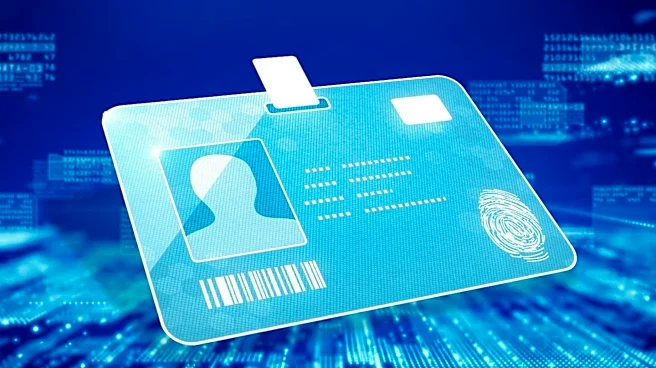
Proctorly is employing a multi-layered identity verification system for online exams to ensure the registered candidate is the person taking the test. This system includes photo ID capture before the exam, continuous face verification throughout the session,
and active liveness challenges for high-stakes assessments. The platform is designed to detect and reject photo or video replays, preventing impersonation. Each verification check is logged in the candidate's case record, allowing for review. Proctorly emphasizes that a failed face check does not automatically result in a failed exam; instead, it triggers a review by a person to account for factors like lighting changes or weak webcams. The level of identity verification can be customized based on the exam's stakes, ranging from continuous face verification for quizzes to live check-ins and government ID capture for certification and licensing exams.
Why It's Important?
The implementation of robust identity verification in online exams is crucial for maintaining the integrity and value of academic and professional credentials in the U.S. education system. With the rise of online learning and remote proctoring, ensuring that the correct individual is taking an exam directly impacts the credibility of degrees, certifications, and licenses. Impersonation weakens the value of qualifications and creates an unfair environment for honest candidates. Proctorly's approach, which combines automated checks with human review, aims to strike a balance between security and fairness, addressing potential technical issues that could lead to false positives. This system helps educational institutions and certification bodies uphold standards, protect their reputation, and ensure that qualifications accurately reflect an individual's knowledge and skills, thereby impacting career opportunities and public trust.
What's Next?
Educational institutions and certification bodies in the U.S. will likely continue to adopt and refine online identity verification methods as remote learning and testing become more prevalent. The focus will remain on developing systems that are both secure and user-friendly, minimizing frustration for legitimate candidates while effectively deterring fraud. Future developments may include more sophisticated AI-driven liveness detection, enhanced fraud pattern analysis, and improved integration with learning management systems. There will also be ongoing discussions and policy developments regarding data privacy and the ethical use of biometric data in educational settings. Institutions will need to clearly communicate their identity verification policies to students and ensure transparent review processes for any flagged incidents to maintain trust and fairness.
Beyond the Headlines
The widespread adoption of identity verification in online exams raises broader societal implications beyond academic integrity. It contributes to the increasing digitization of personal identity and the reliance on biometric data for authentication across various sectors. This trend necessitates careful consideration of privacy concerns, data security, and the potential for digital exclusion for individuals who may face challenges with technology or biometric verification. The debate around 'face recognition' versus 'face matching' highlights the nuanced technical and ethical distinctions in how biometric data is used. As these technologies evolve, there will be a continuous need for robust regulatory frameworks and ethical guidelines to ensure that identity verification systems are implemented responsibly, protect individual rights, and do not inadvertently create barriers to education or professional advancement.