






What's Happening?
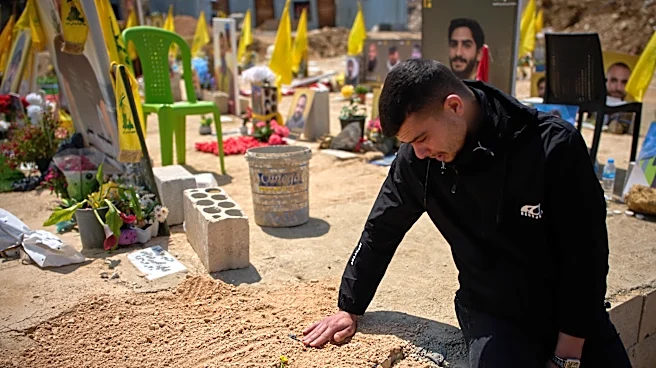
Bereaved families are protesting a plan by the Tel Aviv Municipality to dismantle a memorial at Dizengoff Square, which was spontaneously set up to honor the victims of the October 7 massacre and subsequent war. The memorial, consisting of 1,391 torches,
photos, and names of the victims, was established by grieving citizens and families shortly after the tragic events. The site has become a significant place of remembrance over the past two and a half years. Families argue that the memorial serves as a vital connection to their lost loved ones and a reminder of the lives lost. The municipality has not yet made a final decision on the dismantling, but families are concerned about the lack of a concrete plan to replace the memorial.
Why It's Important?
The potential dismantling of the Dizengoff Square memorial has sparked a debate about how societies remember and honor victims of tragedies. For the bereaved families, the memorial is not just a physical structure but a symbol of recognition and remembrance. The controversy highlights the tension between moving forward and preserving memory, a common challenge in post-conflict societies. The decision by the Tel Aviv Municipality could set a precedent for how public spaces are used to commemorate tragic events, impacting how future memorials are handled. The families' protest underscores the emotional and cultural significance of public memorials in maintaining collective memory and providing solace to those affected by loss.
What's Next?
The Tel Aviv Municipality is expected to engage with the bereaved families to discuss potential solutions. Families have expressed willingness to contribute financially to a more permanent memorial, provided it is dignified and centrally located. The municipality may consider forming a committee to explore alternative sites or designs for the memorial. The outcome of these discussions could influence public policy on memorials and remembrance practices in Israel. Stakeholders, including civil society groups and local government officials, will likely play a role in shaping the final decision, balancing the need for public space with the importance of honoring the past.