




What's Happening?
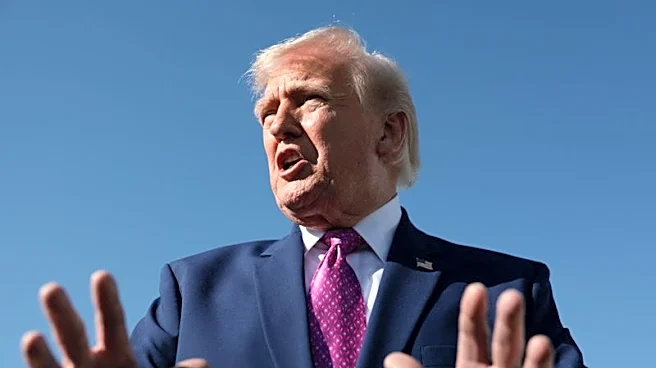
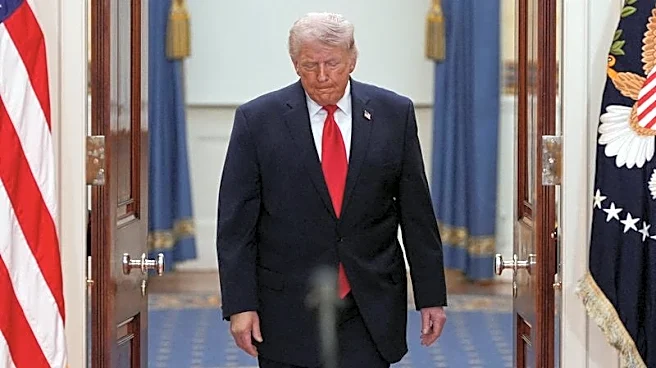
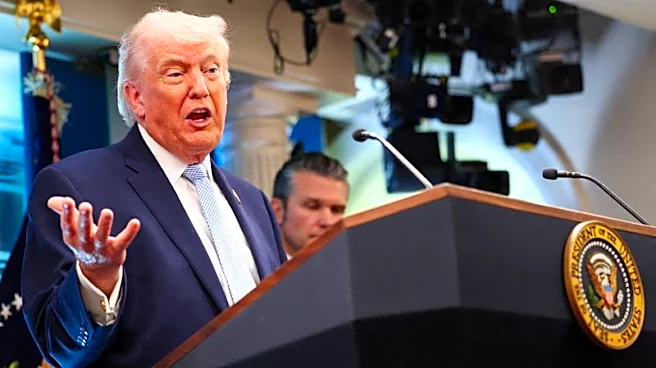
President Trump announced that the United States has initiated efforts to clear underwater mines from the Strait of Hormuz, a strategic waterway crucial for global oil shipments. This move comes amid heightened tensions with Iran, which has threatened
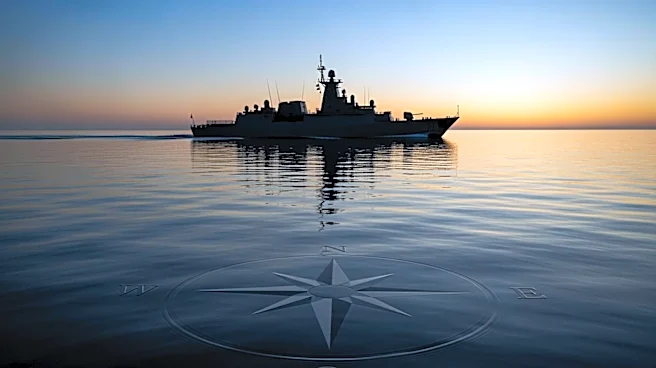
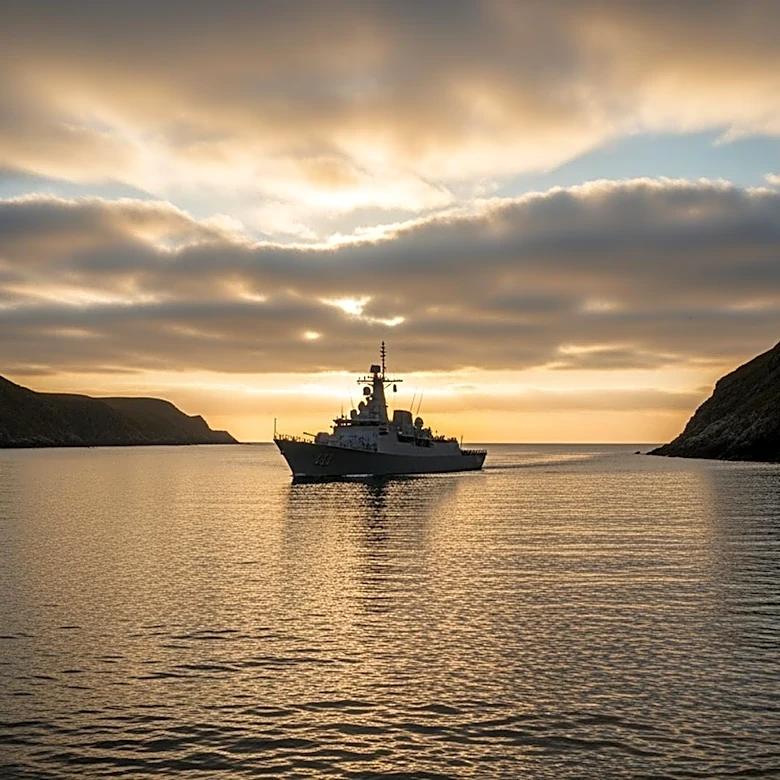
to attack unauthorized military vessels in the strait. According to U.S. officials, two U.S. Navy guided-missile destroyers successfully transited the strait as part of a 'freedom-of-navigation mission.' The operation was not coordinated with the Iranian Navy, marking the first such U.S. naval movement since the onset of the conflict. Despite Iranian media claims that a U.S. vessel turned back after receiving threats, U.S. sources have denied any such retreat.
Why It's Important?
The Strait of Hormuz is a critical chokepoint for the global oil supply, with a significant portion of the world's petroleum passing through it. The U.S. operation underscores the strategic importance of maintaining open navigation routes in international waters, especially in regions with geopolitical tensions. The U.S. action is likely to reassure allies dependent on oil shipments through the strait, while also serving as a deterrent against potential Iranian aggression. However, it also risks escalating military tensions in the region, potentially impacting global oil prices and international diplomatic relations.
What's Next?
The U.S. Central Command has confirmed ongoing naval operations to ensure the strait is free of mines, with plans to establish a safe passage for commercial vessels. This initiative may prompt further diplomatic engagements or military responses from Iran, which has already issued warnings against unauthorized military presence. The international community, particularly countries reliant on oil imports through the strait, will be closely monitoring the situation for any developments that could affect global energy markets.