






What's Happening?
Mass General Brigham, through the Parkinson’s Foundation Center of Excellence at Massachusetts General Hospital, is providing virtual access to the Dance for Parkinson’s (Dance for PD) program. This initiative encourages individuals living with Parkinson's
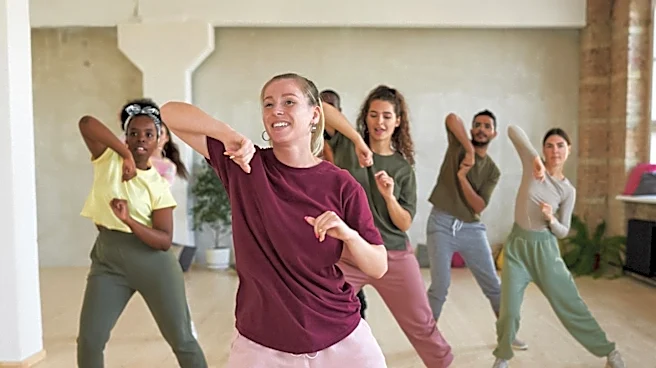
disease to stay active, fostering community, confidence, and joy. The program offers free, one-hour classes every two weeks, starting with seated warm-up exercises and progressing to standing activities with available modifications. These classes incorporate various dance styles, including ballet, musical theater, salsa, and disco, prioritizing accessibility and enjoyment. The program is supported by the Harvard Medical School Arts and Humanities Initiative and the Movement Disorders division at Massachusetts General Hospital. It welcomes all patients, regardless of their diagnosis stage, and also allows care partners to participate. The virtual format makes the program accessible to those who might face challenges attending in-person classes.
Why It's Important?
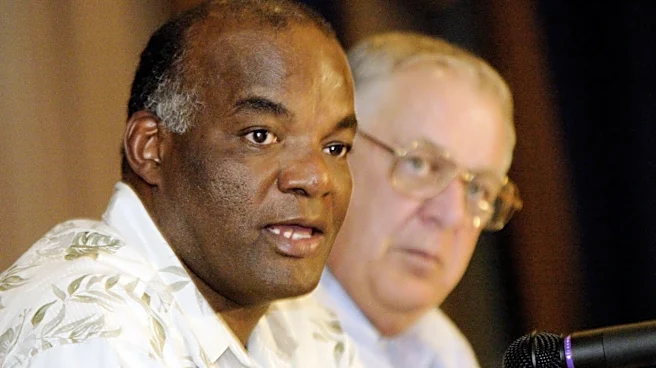
Exercise is a crucial component of Parkinson's disease treatment, with evidence suggesting that regular movement can alleviate symptoms and potentially slow disease progression. The Dance for PD program offers a unique blend of physical, cognitive, and emotional benefits, making it an effective augmentation to traditional treatment plans. According to Dr. Albert Y. Hung, director of the Parkinson’s Foundation Center of Excellence at Massachusetts General Hospital, consistency in exercise is key, and dance provides an engaging creative outlet. The program's emphasis on community building is also significant, as participants often connect before and after classes, fostering a supportive environment. This not only improves the quality of life for patients but also provides a meaningful experience for the medical and dental student instructors who lead the sessions, combining their passion for dance with their clinical interests.
What's Next?
The Dance for PD program is expected to continue offering its virtual classes, expanding its reach to more individuals living with Parkinson's disease across different states, as the virtual format allows. The program's success in forming a strong community among participants suggests continued engagement and growth. Instructors, who are formally trained and certified in Dance for PD, will likely continue to bring their clinical knowledge and artistic passion to the classes, ensuring both engaging and therapeutically sound sessions. The ongoing support from institutions like the Harvard Medical School Arts and Humanities Initiative indicates a sustained commitment to integrating arts into neurological recovery and patient care. The program's inclusive nature means it will likely remain open to all patients and their care partners, further strengthening its community aspect.
Beyond the Headlines
The Dance for PD program highlights a broader shift in healthcare towards holistic and patient-centered approaches, recognizing the profound impact of creative arts and community engagement on chronic disease management. Beyond the physical benefits of improved motor symptoms and potentially slowed disease progression, the program addresses the often-overlooked psychological and social challenges faced by individuals with Parkinson's. By fostering a sense of belonging and joy, it combats isolation and depression, which are common among those with chronic illnesses. This initiative also underscores the value of interdisciplinary collaboration, bringing together medical professionals, students, and artists to create innovative therapeutic interventions. It serves as a model for how healthcare systems can leverage non-traditional methods to enhance patient well-being and quality of life, demonstrating that treatment extends beyond medication to encompass emotional and social support.