




What's Happening?
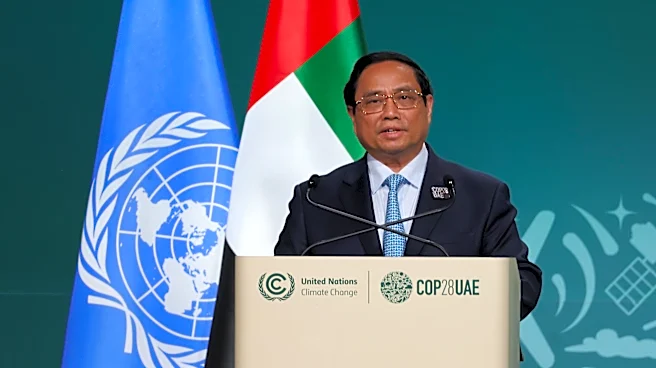
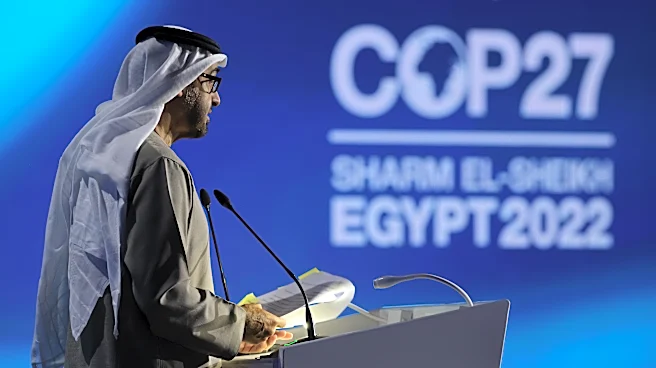
The annual UN climate conference, UNFCCC COP31, commenced in Antalya, Turkey, on Monday, November 9. World leaders and negotiators are gathering to address the urgent need for action on climate change, particularly focusing on the phase-out of fossil
fuels. This summit occurs against a backdrop of record heatwaves, floods, and wildfires globally. The European Union is expected to play a crucial role in driving global momentum. Campaign group Climate Action Network (CAN) Europe has outlined key political tests for governments, emphasizing the need for concrete implementation of existing commitments, including transitioning away from fossil fuels, scaling up renewable energy, ensuring a just transition, and providing necessary finance to developing countries for climate action. Chiara Martinelli, Director at CAN Europe, stressed that COP31 must be a summit of implementation, not just congratulations for past promises. EU regions and cities are also advocating for formal recognition of their role in achieving global climate goals and for adequate support to pursue decarbonization and strengthen resilience.
Why It's Important?
The COP31 summit is critical for the United States and the global community as it aims to translate climate commitments into tangible actions. The discussions on phasing out fossil fuels and scaling up renewable energy directly impact global energy markets and could influence U.S. energy policy and investment in green technologies. The call for financial support to developing countries for climate action has implications for international aid and economic partnerships, potentially affecting U.S. foreign policy and trade relations. The emphasis on a 'just transition' highlights social equity concerns, which resonate with domestic policy debates in the U.S. regarding job creation and community support in the shift to a green economy. The outcomes of COP31 could shape international climate agreements, influencing future regulatory frameworks and market conditions for U.S. businesses operating globally. The participation of EU regions and cities underscores the importance of sub-national efforts, which could inspire similar initiatives and collaborations within the U.S. to address climate change at local levels.
What's Next?
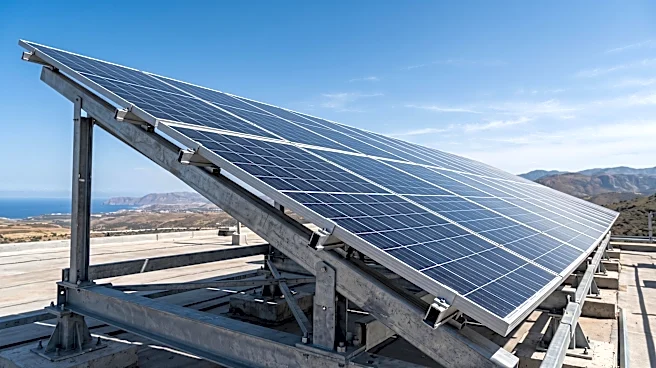
Negotiators at COP31 will continue discussions throughout the week, aiming to secure concrete agreements on climate action. Key areas of focus include accelerating the transition away from fossil fuels, increasing investment in renewable energy, and establishing mechanisms for climate finance to support developing nations. The European Committee of the Regions (CoR) delegation, led by Kostas Bakoyannis, will advocate for greater recognition and support for cities and regions in delivering climate goals. The organization of African, Caribbean and Pacific States (OACPS) and the EU have identified six priority areas for strengthened cooperation, including climate adaptation, access to finance, clean electrification, and capacity-building. The summit's outcome will likely set the agenda for international climate policy in the coming years, influencing national strategies and potentially leading to new international agreements or amendments to existing ones. The ongoing discussions will also highlight the divisions among delegates regarding the financial responsibilities for adaptation measures.
Beyond the Headlines
The COP31 summit reflects a deeper global shift towards recognizing the immediate and severe impacts of climate change, moving beyond mere pledges to demanding concrete implementation. The emphasis on 'delivery' and 'tangible results' signals a growing impatience with incremental progress and a push for more aggressive, legally binding commitments. The call for a 'just transition' highlights the ethical dimension of climate action, ensuring that the economic and social costs of decarbonization are equitably distributed and do not disproportionately burden vulnerable populations or developing nations. This also touches upon the concept of climate justice, which is gaining prominence in international discourse. The active role of sub-national entities like cities and regions underscores a decentralized approach to climate governance, recognizing that local actions are crucial for achieving global targets. This multi-level governance model could redefine how climate policy is formulated and implemented, fostering greater collaboration between national and local authorities and potentially leading to more innovative and context-specific solutions.