



What's Happening?
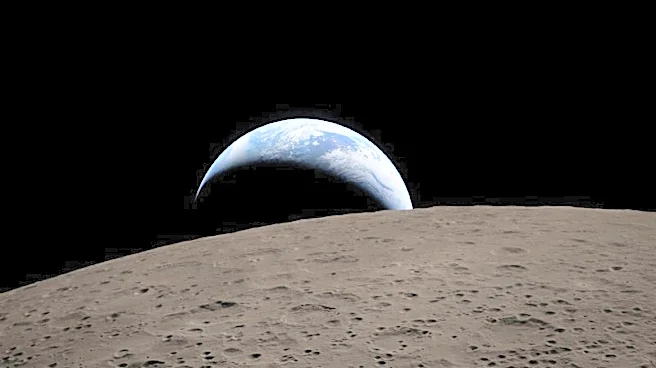
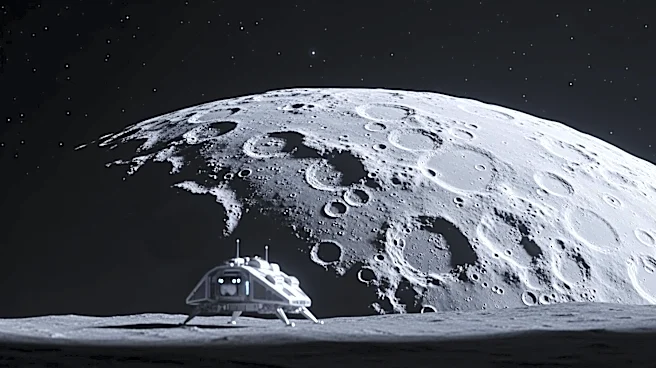
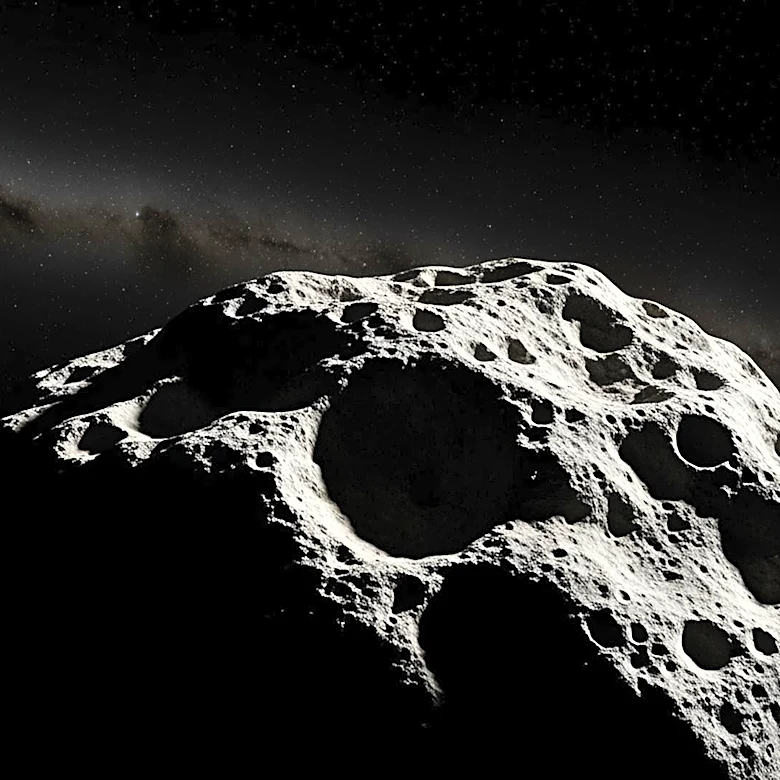
NASA's Artemis II mission has provided stunning imagery of the Moon, focusing on the far side along the terminator—the boundary between lunar day and night. The images, taken on April 6, 2026, reveal the Orientale Basin under low-angle sunlight, which
casts long shadows and enhances the contrast across the cratered terrain. This lighting allows for a detailed examination of the Moon's geological features, offering insights into its geologic history. The mission continues to deliver high-resolution images that contribute to the understanding of lunar surface variations.
Why It's Important?
The imagery from Artemis II is crucial for advancing scientific knowledge about the Moon's geological history and surface features. By providing detailed views of the lunar terrain, researchers can better understand the processes that have shaped the Moon over billions of years. This information is vital for future lunar exploration missions, including potential human landings and the establishment of lunar bases. The data also supports ongoing research into planetary formation and evolution, contributing to broader scientific inquiries about the solar system.