





What's Happening?
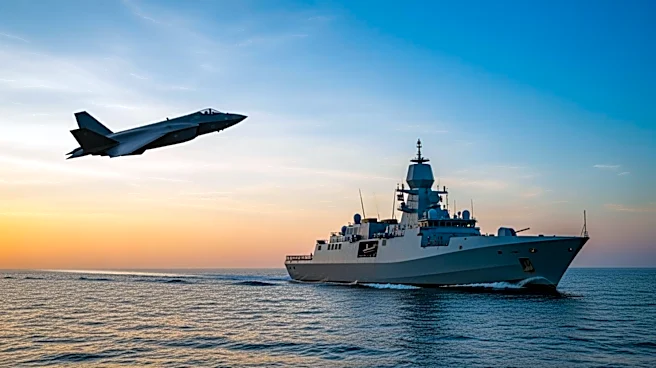
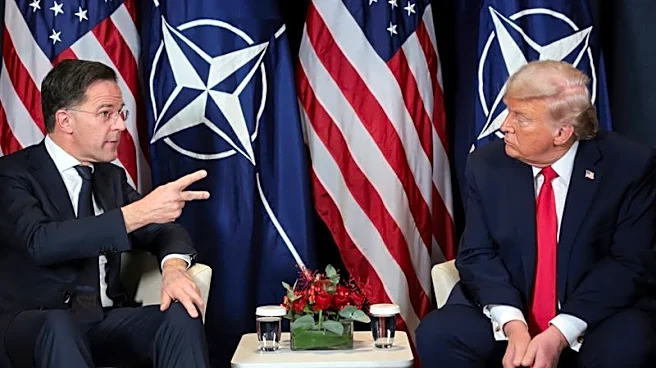
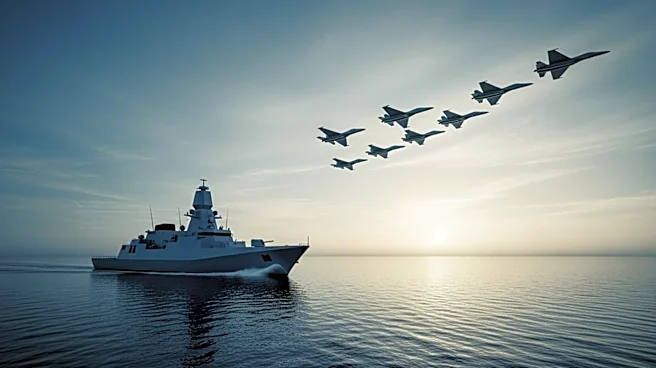
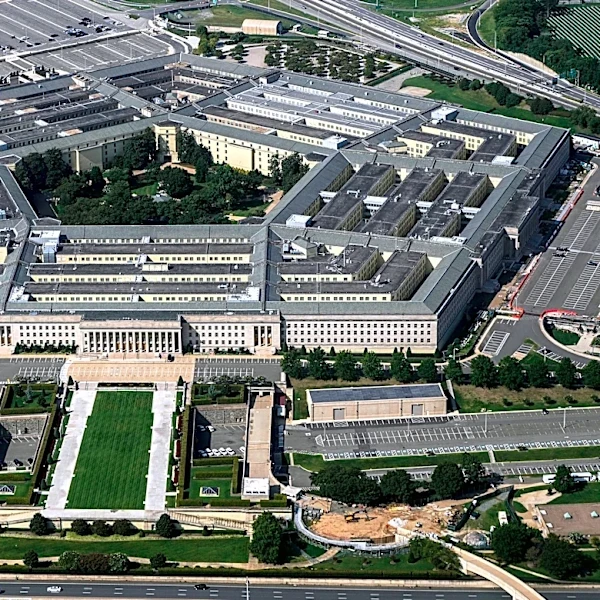
The United States has called on European NATO allies and Canada to increase their contributions of aircraft and naval vessels to the alliance's defense plans. This request follows a decision by the Trump administration to reduce the U.S. military capabilities
available to NATO in a crisis. U.S. Air Force General Alexus Grynkewich emphasized the need for European countries to take on more responsibility for the continent's defense, as the U.S. plans to refocus its military resources elsewhere. The move is part of a broader strategy to address potential conflicts in multiple theaters simultaneously.
Why It's Important?
The U.S. decision to scale back its military contributions to NATO has significant implications for the alliance's defense posture. By urging European allies and Canada to step up, the U.S. is signaling a shift towards a more balanced distribution of defense responsibilities within NATO. This change could strengthen the alliance by encouraging member states to enhance their military capabilities and readiness. However, it also raises concerns about the potential for defense gaps if European countries are unable to meet the increased demands. The situation underscores the importance of international cooperation and burden-sharing in maintaining global security.
What's Next?
As NATO members prepare for a summit in Ankara, discussions will likely focus on how European countries and Canada can meet the increased expectations for military contributions. The U.S. reduction in available forces may prompt NATO members to accelerate their defense investments and strategic planning. The alliance will need to ensure that any gaps in defense capabilities are addressed promptly to maintain its effectiveness. The situation also presents an opportunity for NATO to reassess its strategic priorities and enhance its collective defense posture in response to evolving global threats.
Beyond the Headlines
The U.S. decision to reduce its military contributions to NATO highlights broader geopolitical shifts and the need for a more equitable distribution of defense responsibilities. This development could lead to a reevaluation of NATO's strategic priorities and the role of member states in ensuring collective security. The situation also raises questions about the future of transatlantic relations and the potential impact on global security dynamics. As NATO adapts to these changes, it will be crucial to maintain strong alliances and foster cooperation among member states to address emerging threats effectively.