




What's Happening?
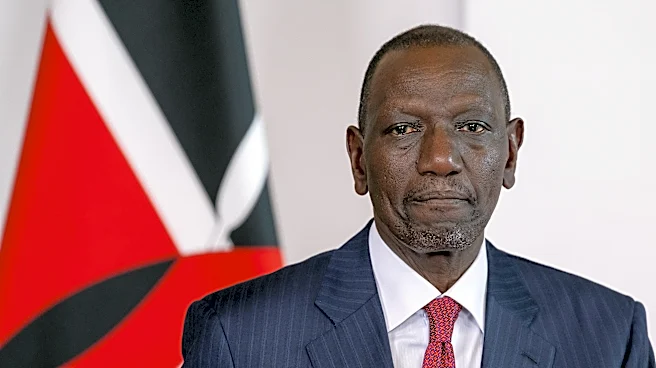
President William Ruto of Kenya has issued a directive to school heads across the country, emphasizing the critical importance of foundational learning for pupils in Grades 1, 2, and 3. The President stated that by 2030, every Kenyan child must achieve
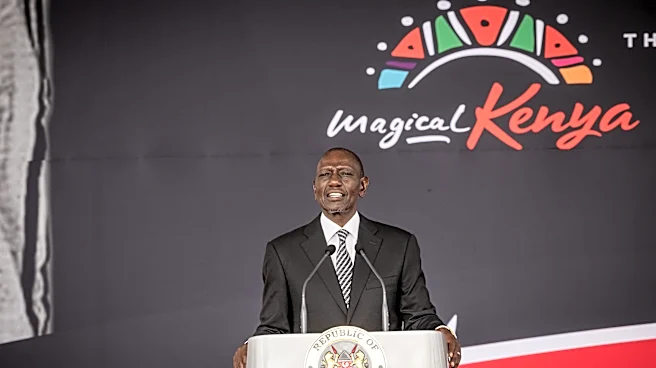
essential reading, writing, and numeracy skills by the end of Grade 3. This directive was announced during the Kenya Comprehensive School Heads Association (KESSHA) National AGM and Conference. President Ruto urged school administrators to deploy their most experienced teachers to these early primary grades, highlighting their significance in a child's educational journey. He also challenged school heads to take greater responsibility for improving learning outcomes, asserting that no child should complete Grade 3 without these fundamental skills. The Ministry of Education has been instructed to collaborate with the Teachers Service Commission (TSC), Kenya National Examinations Council (KNEC), county governments, and school heads to establish an assessment and reporting system. This system will track progress towards the 2030 target, providing transparency on individual school and county performance to parents.
Why It's Important?
This directive is significant for Kenya's education sector, as it places a strong emphasis on early childhood literacy and numeracy, which are foundational for future academic success and national development. By setting a clear target of 2030, the government aims to address potential learning gaps early on, ensuring that all children have a solid educational base. The establishment of a national assessment and reporting system will introduce accountability for schools and educators, allowing for data-driven interventions and resource allocation. This initiative could lead to a more equitable education system, as it seeks to ensure that all children, regardless of their location or school, achieve basic competencies. For parents, the reporting system will offer greater transparency, enabling them to monitor their children's progress and hold schools accountable. Ultimately, a more literate and numerate population could contribute to a more skilled workforce and enhanced economic productivity in the long term.
What's Next?
In the immediate future, the Ministry of Education, in conjunction with various educational bodies, will begin developing and implementing the assessment and reporting system to track progress towards the 2030 foundational learning target. School heads are expected to re-evaluate their teacher deployment strategies, prioritizing experienced educators for Grades 1-3. Additionally, President Ruto has given the Ministry of Education 90 days to work with KESSHA to propose amendments to the Basic Education Act. These amendments are intended to provide a clear legal framework for the governance, staffing, and financing of comprehensive schools, ensuring their operations are built on a firm legal foundation rather than custom. This legislative review could lead to significant structural changes in how schools are managed and funded. Furthermore, there are plans to review school capitation and introduce a consolidated funding model for primary and junior schools, which will address economic pressures and potentially alter school budgeting and resource allocation.
Beyond the Headlines
The emphasis on foundational learning by 2030 reflects a broader recognition of the long-term societal and economic benefits of early education. This initiative could trigger a cultural shift within the Kenyan education system, moving towards a greater focus on measurable outcomes in early grades. The directive also highlights the government's commitment to evidence-based policy-making through the proposed assessment and reporting system, which could foster a more data-driven approach to educational reform. Ethically, it underscores the principle of equal opportunity in education, aiming to prevent children from being left behind in their formative years. The legal amendments to the Basic Education Act could streamline school governance, potentially reducing ambiguities and improving administrative efficiency. This comprehensive approach, combining clear targets, accountability mechanisms, and legislative reform, suggests a strategic effort to strengthen the bedrock of Kenya's educational future.