




What's Happening?
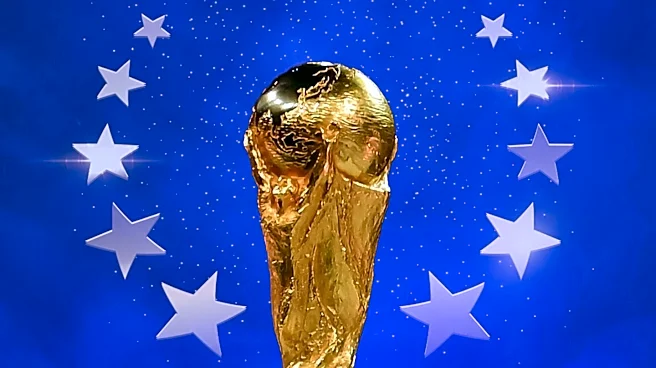
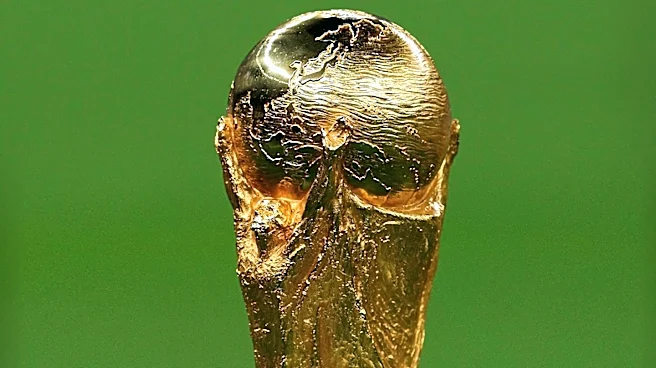
FIFA, under the leadership of President Gianni Infantino, is facing criticism over plans to seek private investment for the World Cup and other competitions. The proposal, which aims to raise over £7.5 billion, has been met with resistance from major
football organizations, including UEFA, Concacaf, and the FA. These bodies have expressed concerns that such a move could commercialize the sport excessively and undermine its integrity. An emergency meeting of UEFA's 55 members is scheduled, with discussions of a potential World Cup boycott on the agenda. The controversy highlights ongoing tensions between FIFA's financial ambitions and the sport's traditional values.
Why It's Important?
The proposed sale of World Cup rights to private investors could have far-reaching implications for the global football landscape. Critics argue that prioritizing profit over the sport's cultural and social significance could alienate fans and diminish the World Cup's prestige. This situation underscores the broader debate about the commercialization of sports and the balance between financial sustainability and maintaining the sport's essence. The outcome of this controversy could set a precedent for how international sports organizations manage their financial strategies and engage with stakeholders.
What's Next?
The upcoming UEFA meeting will be crucial in determining the European football community's response to FIFA's proposal. A potential boycott could significantly impact FIFA's plans and force a reevaluation of its approach to private investment. Additionally, the reaction from fans and sponsors will be pivotal in shaping the future of the World Cup and FIFA's financial strategies. The situation may also prompt other sports organizations to reconsider their commercial practices and governance models.