


What's Happening?
Iran and the United States are engaged in negotiations aimed at reaching a nuclear agreement that could also include economic benefits for both nations. The talks, which are taking place in Geneva, involve discussions on potential deals in the energy,
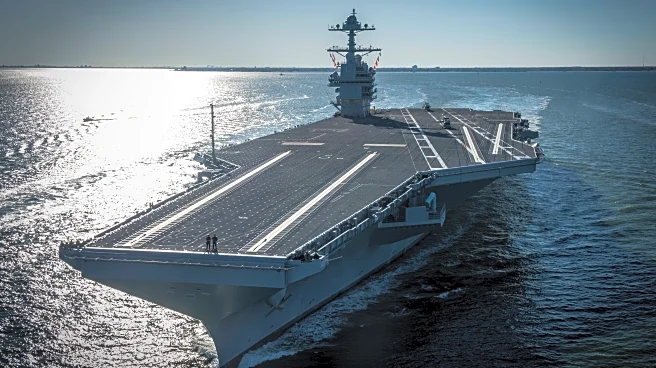
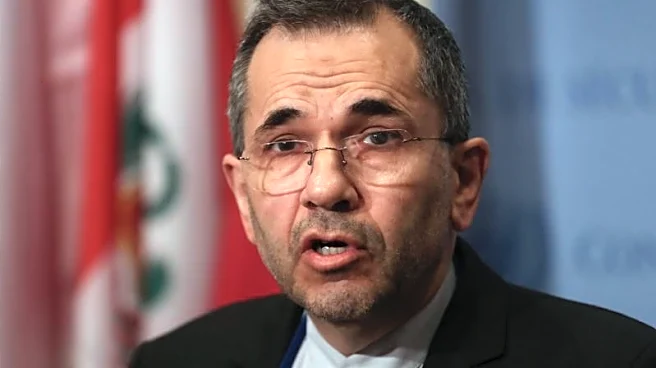
mining, and aircraft sectors. Iran's Foreign Minister Abbas Araghchi is participating in these indirect talks with the U.S., facilitated by Oman. The discussions are a continuation of efforts to resolve longstanding disputes over Iran's nuclear program and to prevent military confrontations. The U.S. has indicated a preference for diplomacy, although it has also prepared for potential military action if negotiations fail. Iran has expressed a willingness to reach a durable agreement that benefits both parties economically, highlighting interests in oil, gas, and mining investments.
Why It's Important?
The outcome of these negotiations could significantly impact international relations and economic dynamics in the Middle East. A successful agreement could lead to the lifting of economic sanctions on Iran, potentially opening up new markets and investment opportunities for U.S. businesses in the energy and mining sectors. Conversely, failure to reach an agreement could escalate tensions and lead to military confrontations, affecting global oil prices and regional stability. The talks also have implications for U.S. foreign policy, as they test the effectiveness of diplomatic engagement over military intervention in resolving international disputes.
What's Next?
The next steps in the negotiations will likely involve further discussions between U.S. and Iranian officials, with Oman continuing to mediate. The outcome of these talks could influence future U.S. foreign policy decisions and impact the geopolitical landscape in the Middle East. Stakeholders, including international businesses and governments, will be closely monitoring the situation to assess potential economic and political opportunities or risks.