








What's Happening?
Summit County is set to host a free community forum on Tuesday, November 17, to address the persistent challenges of workforce housing. The event, organized by the Summit County Housing Authority, will bring together local workers, business leaders, and
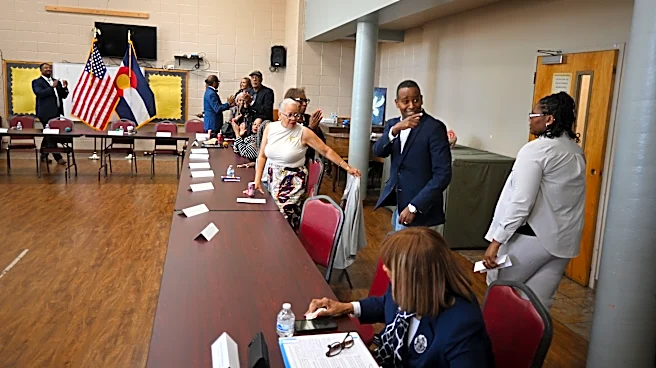
housing officials. The discussion, part of the county's Housing Speaker Series, aims to explore affordability issues and potential solutions. The forum will take place from 5:30 to 7:30 p.m. at the Richins Building in Park City. This initiative follows the County Council's approval of a strategic plan in August, which targets the facilitation of 1,500 deed-restricted affordable housing units over the next decade. Data from the U.S. Census Bureau indicates that approximately 63% of Summit County's workforce commutes from outside the county, highlighting the severity of the housing shortage. Recent reports also show that the median home sale price in Summit County was around $2.2 million in the first quarter of 2026, making homeownership unaffordable for 97% of local renters.
Why It's Important?
The housing crisis in Summit County has significant implications for the local economy and community. The high cost of living, particularly housing, forces a large portion of the workforce to commute from outside the county. This not only increases traffic congestion and environmental impact but also strains local infrastructure and reduces the quality of life for workers. Businesses in Summit County face challenges in attracting and retaining employees due to the lack of affordable housing, which can hinder economic growth and development. The forum's focus on bringing together diverse stakeholders—workers, business leaders, and housing officials—is crucial for developing comprehensive and sustainable solutions. Addressing this issue is vital for maintaining a stable workforce, supporting local businesses, and ensuring the long-term economic health and social equity of the region. Failure to resolve these housing challenges could lead to continued workforce shortages and increased operational costs for businesses.
What's Next?
The community forum on November 17 will feature brief presentations, a question-and-answer session, and opportunities for attendees to learn about available housing resources. Jenn Lewis, chair of the Summit County Housing Authority and owner/CEO of Ghigau Construction, will moderate the discussion. Panelists will include Jennifer Wesselhoff, president and CEO of the Park City Chamber of Commerce; Tony Tyler, partner at Columbus Pacific Development; Louis Chiappetta, a Park City Mountain ski patroller and union vice president; and Dalton Schaefer, a Park City Fire District firefighter and paramedic. The insights and feedback gathered from this forum are expected to inform future policy decisions and initiatives aimed at increasing housing affordability and availability. The county's strategic plan to facilitate 1,500 deed-restricted affordable housing units over the next decade will likely be a central point of ongoing efforts, with continued collaboration between local government, businesses, and community members.
Beyond the Headlines
The workforce housing crisis in Summit County reflects a broader national trend where desirable areas struggle with housing affordability, impacting economic diversity and social cohesion. The reliance on a commuting workforce can lead to a disconnect between where people work and where they live, potentially eroding community identity and civic engagement. The ethical dimension of this issue involves ensuring that essential workers, such as firefighters and ski patrollers, can afford to live in the communities they serve. Legal and policy implications include exploring innovative zoning laws, public-private partnerships, and funding mechanisms to incentivize the development of affordable housing. The long-term shift could see a re-evaluation of urban planning and development strategies to prioritize mixed-income communities and reduce reliance on long-distance commuting, fostering more sustainable and equitable regional growth.