
What's Happening?
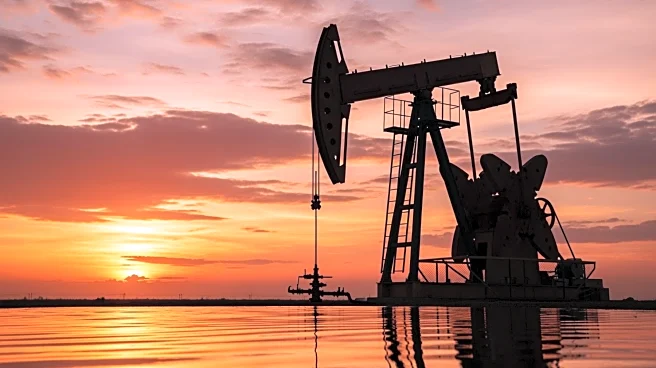
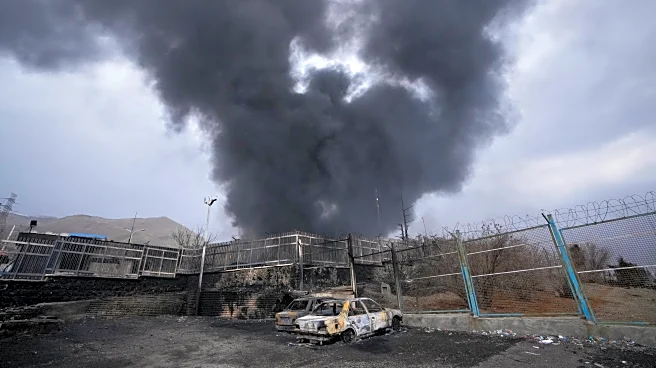
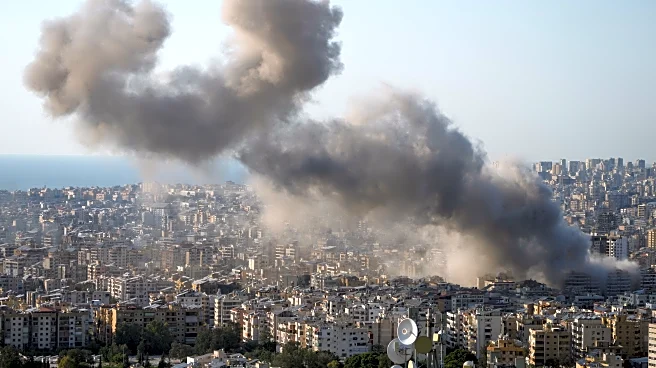
Amid escalating conflict in the Middle East, particularly involving U.S. and Israeli attacks on Iran, the flow of oil tankers through the Strait of Hormuz has been severely disrupted. This has led to a significant increase in oil prices, with Brent crude
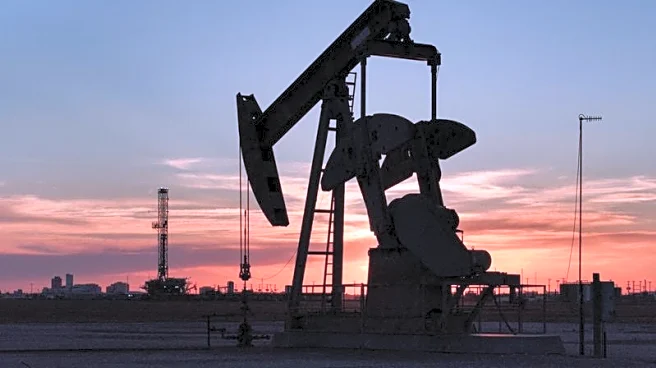
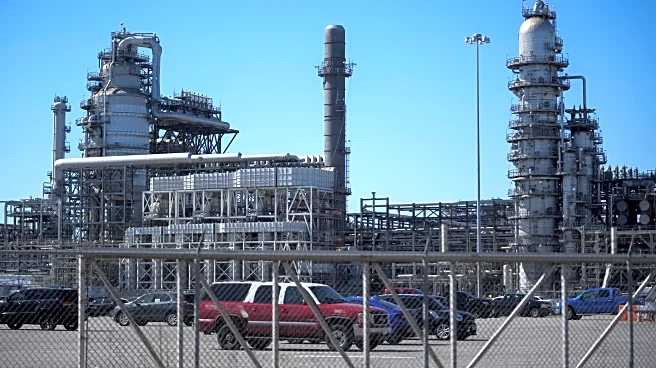
oil reaching nearly $120 a barrel before settling around $90. Despite the potential benefits of tapping into emergency oil reserves, global leaders have shown reluctance to do so. The U.S. holds a substantial Strategic Petroleum Reserve, and other countries maintain reserves as well, often coordinating with the International Energy Agency (IEA) before making decisions. The complexity of the situation, including the unpredictable duration of the conflict and the blockage of the Strait of Hormuz, makes timing a release of reserves challenging.
Why It's Important?
The hesitation to tap into oil reserves highlights the delicate balance countries must maintain in managing global energy supplies during crises. The decision impacts not only domestic energy markets but also international relations and economic stability. The current situation underscores the interconnectedness of global oil markets and the potential ripple effects of geopolitical conflicts. Countries are cautious about depleting reserves, which could leave them vulnerable if the conflict persists. The discussions among leaders, including those from the Group of Seven, reflect the importance of strategic coordination in stabilizing markets and ensuring energy security.
What's Next?
While leaders have not yet decided to use their strategic reserves, ongoing discussions suggest that they are prepared to act if necessary. The IEA has indicated that member countries have over 1.2 billion barrels of emergency oil available. The situation remains fluid, with potential for further market disruptions depending on the conflict's progression. Future decisions will likely hinge on developments in the Middle East and the ability to reopen the Strait of Hormuz. Continued monitoring and coordination among international leaders will be crucial in managing the crisis.
Beyond the Headlines
The reluctance to tap oil reserves also reflects broader concerns about energy independence and sustainability. As countries navigate geopolitical tensions, the importance of diversifying energy sources and investing in renewable energy becomes more apparent. The current crisis may accelerate efforts to reduce reliance on fossil fuels and enhance energy resilience. Additionally, the situation highlights the ethical considerations of energy consumption during conflicts, prompting discussions on the long-term implications for global energy policies.