




What's Happening?
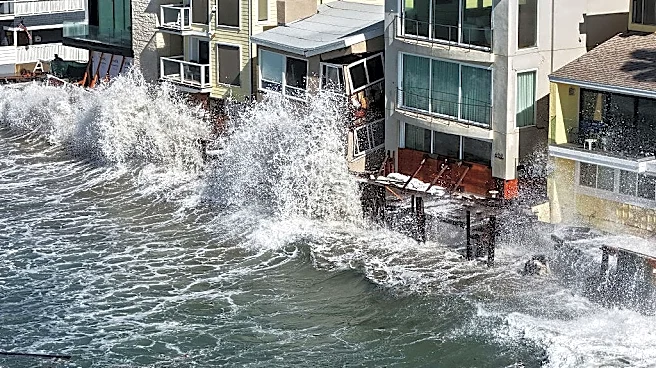
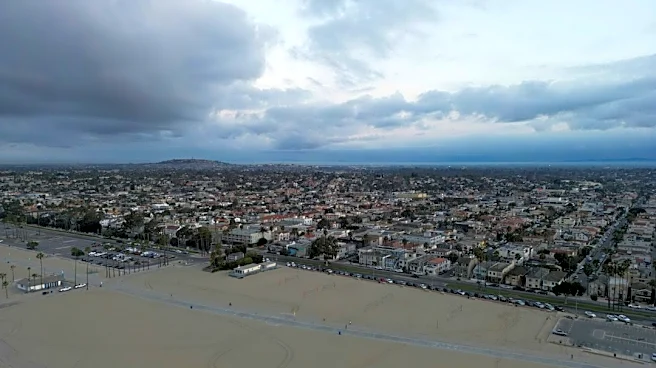
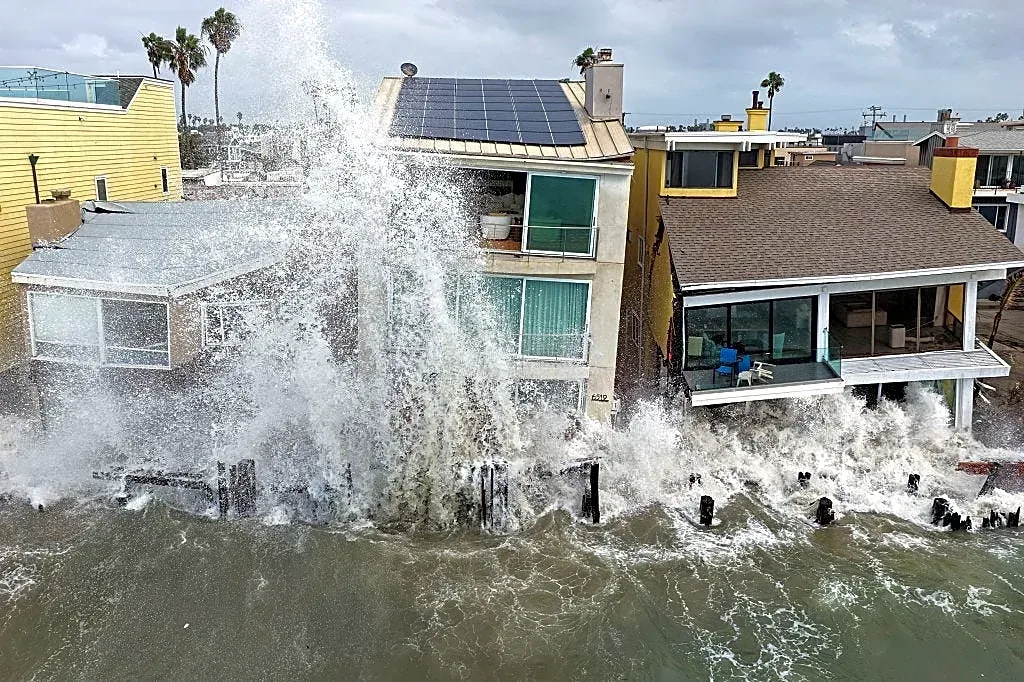
The California coastline is experiencing significant erosion and flooding, leading to a critical need to rethink the state's relationship with its shoreline. Recent events, including submerged parking lots and homes being thrashed by waves, highlight
the immediate impact of rising sea levels and extreme weather. Experts like UC Santa Cruz oceanographer and geologist Gary Griggs emphasize that traditional mitigation efforts, such as sea walls and rock revetments, are temporary solutions. The situation is expected to worsen with a fall forecast predicting a Super El Niño, king tides, Kelvin waves, and a peak lunar nodal cycle, which could lead to dramatic coastal destruction. Timu Gallien of the UCLA Coastal Flood Lab warns that water level records are likely to be broken, potentially resulting in the destruction of piers, breakwaters, and jetties. Former California Coastal Commission Director Jack Ainsworth states that this is a glimpse into the future, urging communities to prepare for inevitable changes.
Why It's Important?
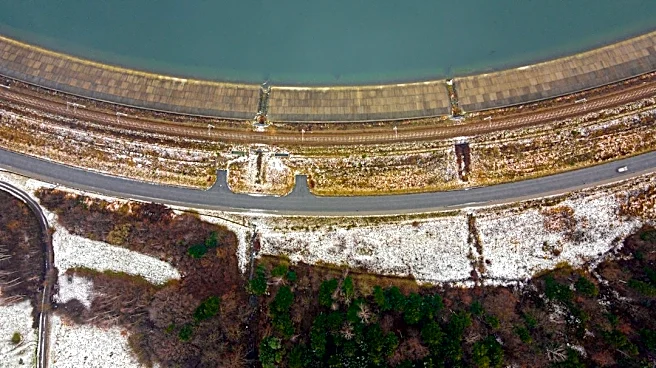
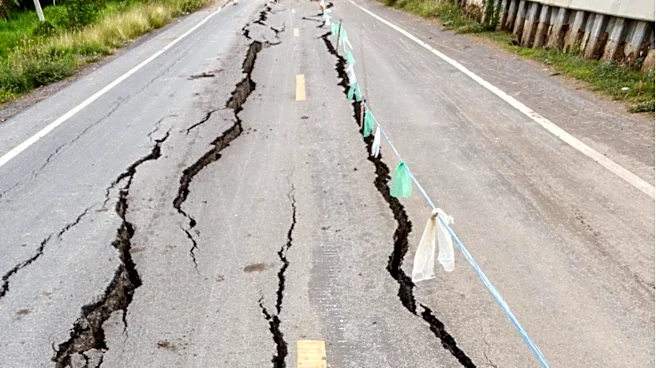
The escalating coastal erosion and flooding in California have profound implications for public infrastructure, private property, and the state's economy. Public assets such as roadways, parks, and railroad tracks along the coast are under direct threat, necessitating significant public investment for protection or relocation. The debate over who bears the financial burden for losses to beachfront properties is intensifying, with calls for the general public not to be responsible for private property damage. The situation also challenges existing legal and political frameworks, particularly regarding 'managed retreat'—the relocation of structures inland—which faces considerable resistance. The long-term viability of coastal communities and the preservation of precious ecosystems, which are trapped between rising water and existing development, are at stake. This crisis underscores the need for comprehensive, long-term strategies beyond reactive measures like sandbags and plywood.
What's Next?
California communities and state agencies are grappling with how to respond to the accelerating coastal threats. The California Coastal Commission has awarded millions in grants to local planners to study community vulnerabilities and develop adaptation plans. However, a major challenge remains the funding for implementing these plans, as many locales question where the money will come from. Experts suggest a combination of mitigation, adaptation, and acceptance of some level of suffering. While various tools like sand berms, jetties, and living shorelines are available, their implementation is complex and time-consuming. The immediate future will likely see continued reactive responses to severe weather events, but there is a growing recognition that more proactive and integrated strategies, including potentially controversial managed retreat, will be necessary to address the long-term challenges posed by a dynamic and changing coastline.
Beyond the Headlines
The ongoing coastal crisis in California extends beyond immediate physical damage, touching upon deeper ethical, legal, and cultural dimensions. The romanticized view of living by the ocean is clashing with the harsh realities of climate change, forcing a reevaluation of human imposition of permanence on a naturally dynamic environment. Ethically, questions arise about equitable resource allocation and who should bear the costs of adaptation and loss, particularly concerning private beachfront properties versus public infrastructure. Legally, the concept of 'managed retreat' presents complex challenges related to property rights, eminent domain, and compensation. Culturally, the deep connection Californians have with their coastline necessitates a shift in perception—from viewing the coast as a static amenity to understanding it as a living, changing process that demands respect and adaptation. This shift could trigger long-term changes in land use policies, insurance markets, and urban planning paradigms across coastal regions.