
What's Happening?
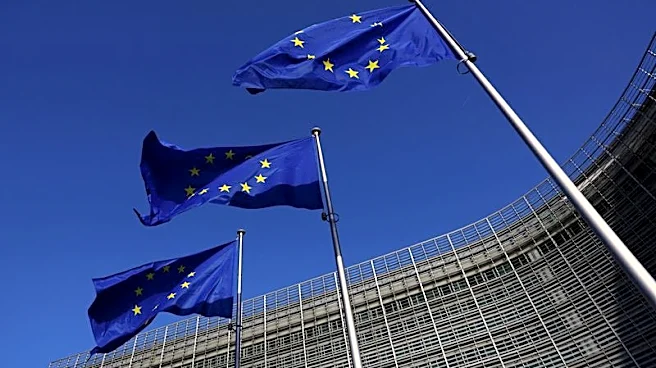
Slovakia's Prime Minister Robert Fico has called on the European Union to lift sanctions on Russian oil and gas imports to address the energy crisis exacerbated by the ongoing conflict in Iran. Fico, after discussions with Hungarian Prime Minister Viktor
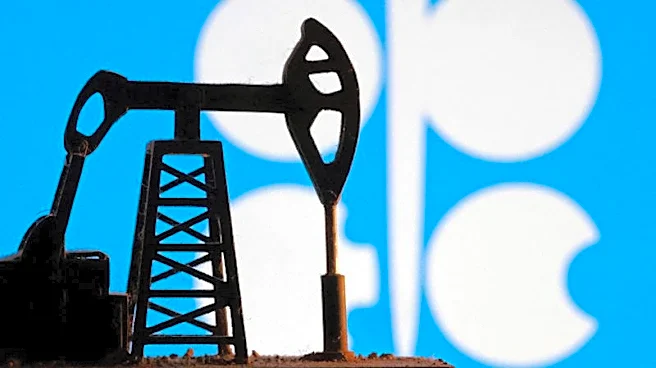
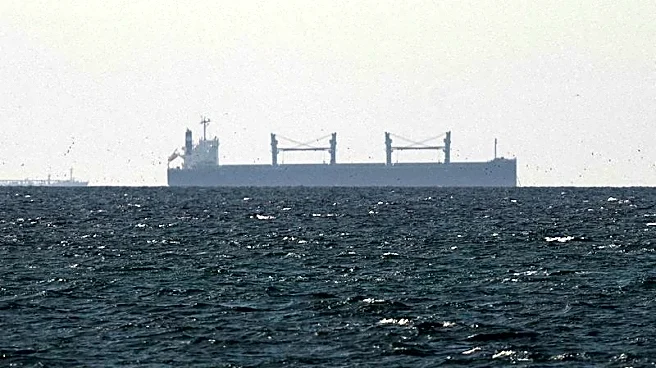
Orbán, emphasized the need for the EU to renew dialogue with Russia to secure energy supplies. The war in Iran, initiated by the US and Israel, has led to significant disruptions in oil shipments from the Gulf, causing a surge in oil prices. Slovakia and Hungary remain outliers within the EU for maintaining relations with Moscow, advocating for a pragmatic approach to energy security.
Why It's Important?
The call to lift sanctions on Russian energy highlights the complex geopolitical dynamics within the EU, as member states grapple with energy security amid global conflicts. Slovakia's stance underscores the challenges the EU faces in maintaining a unified foreign policy, especially when economic interests are at stake. The energy crisis has broader implications for European economies, potentially affecting inflation rates and economic stability. The situation also reflects the ongoing debate over Europe's energy dependence on Russia and the need for diversified energy sources.
What's Next?
The EU's response to Slovakia's proposal could influence future energy policies and diplomatic relations with Russia. If the EU decides to lift sanctions, it may ease the immediate energy crisis but could also face criticism for compromising on its stance against Russian aggression. Alternatively, maintaining sanctions could push the EU to accelerate its transition to renewable energy sources. The situation may also prompt other EU countries to reassess their energy strategies and diplomatic ties with Russia.