




What's Happening?
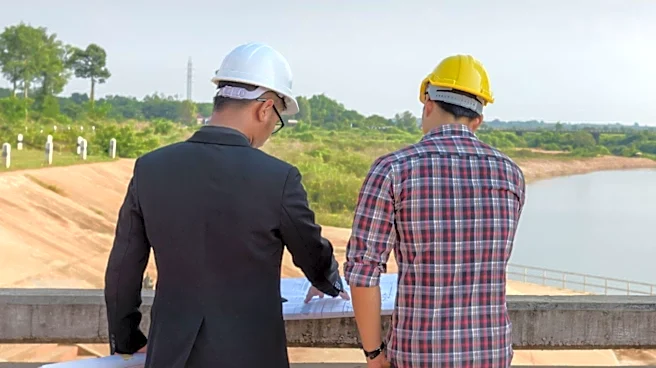
On November 11, 2026, President Daniel Noboa visited Chone, Manabí, to inspect two key projects aimed at improving water and sanitation services. These projects include enhanced hydrosanitary infrastructure designed to improve rainwater evacuation and reduce
flood risks, and the repotentiation of the potable water treatment plant. The hydrosanitary system, which is 100% operational in the San Rafael sector, benefits over 94,267 inhabitants and is part of the Master Hydrosanitary and Pluvial Plan of Chone. This plan involved the reconstruction of potable water and sanitary sewage networks, as well as the improvement of the pluvial sewage system, with financing of USD 13.9 million from the Development Bank of Ecuador (BDE). President Noboa also visited the repotentiation work on the potable water treatment plant, Phase III, which is 82% complete and includes the construction of an adduction line, repotentiation of the plant, and reconstruction and expansion of the distribution network.
Why It's Important?
The inspection and advancement of these water and sanitation projects in Chone are crucial for improving the quality of life for its residents, who have faced issues like deteriorating drainage systems and water scarcity for over 15 years. The renewed hydrosanitary infrastructure is expected to significantly mitigate the impact of floods, a recurring problem during the rainy season, thereby protecting homes and livelihoods. The repotentiation of the potable water treatment plant will ensure a more reliable and higher quality water supply, addressing a fundamental need for public health and well-being. Furthermore, the execution of these projects has generated 481 jobs, contributing to the local economy's dynamism. This initiative demonstrates the government's commitment to addressing critical infrastructure deficits and improving essential public services, which can foster community resilience and economic stability.
What's Next?
The repotentiation of the potable water treatment plant, currently 82% complete, will continue towards its full operational status. Once completed, it is expected to provide efficient and reliable access to potable water for more residents, particularly in vulnerable areas. The ongoing success of these projects in Chone could serve as a model for similar infrastructure development in other regions facing comparable challenges. The government's continued focus on such initiatives suggests a broader strategy to enhance public services and infrastructure nationwide. Local authorities and the national government will likely monitor the long-term impact of these improvements on public health, environmental protection, and economic development in Chone.
Beyond the Headlines
The challenges faced by Chone, such as inadequate drainage and water supply, are common in many developing regions, highlighting the critical need for robust infrastructure investment. The President's direct involvement underscores the political will to tackle these issues, which often have profound social and economic consequences. The mention of 'tanker mafias' in other contexts suggests that infrastructure projects are not just about construction but also about dismantling corrupt systems that exploit public service deficiencies. By addressing these fundamental needs, the government aims to build trust and improve governance, potentially leading to greater social equity and reduced vulnerability for communities. The long-term success of these projects will depend not only on their completion but also on sustainable maintenance and management practices.