





What's Happening?
The U.S. government, through the International Development Finance Corporation (DFC), has committed up to $4.84 million to support the Ampasindava Rare Earths Project in Madagascar. This initiative is part of a broader strategy to reduce reliance on China
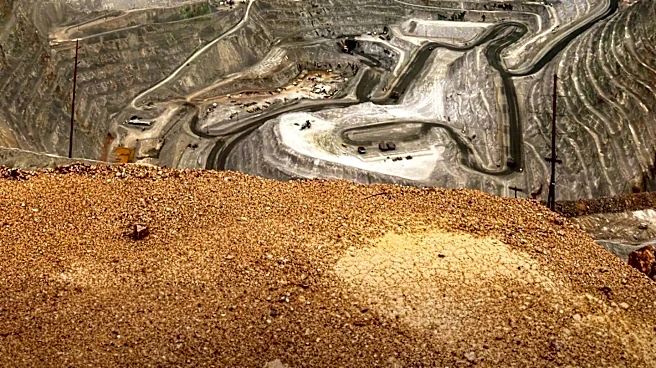
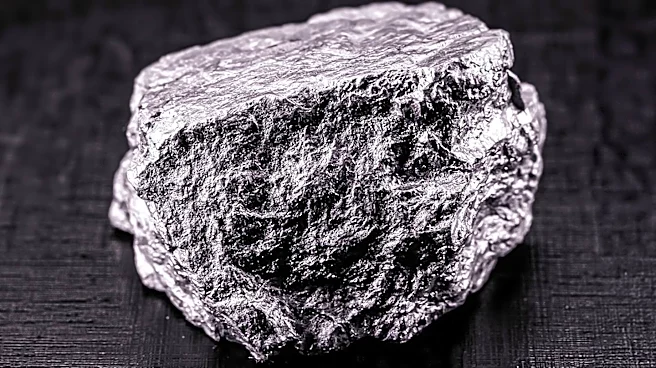
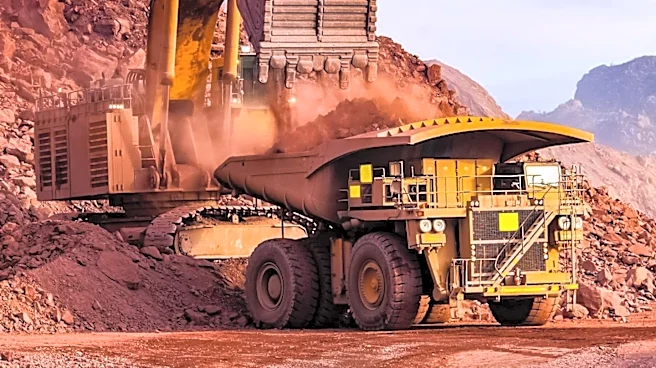
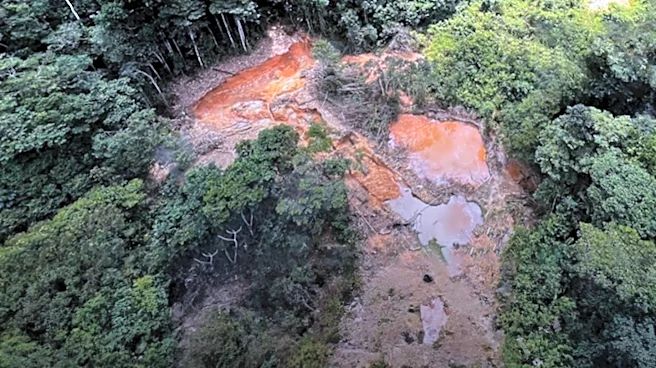
for critical minerals. The project, managed by Harena Rare Earths, aims to produce 4,000 metric tons of rare earth oxides annually, including high-value elements like neodymium and praseodymium. These elements are crucial for technologies such as electric vehicles and defense systems. The funding will aid in pilot plant operations and environmental studies, potentially leading to larger U.S. government-backed financing.
Why It's Important?
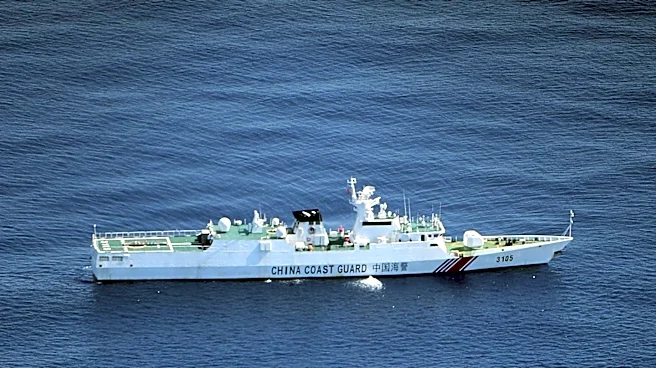
This move is significant as it represents a strategic effort by the U.S. to diversify its supply chain for critical minerals, which are essential for various high-tech and defense applications. Currently, China controls a significant portion of the global rare earth market, which poses a risk to U.S. national security and technological independence. By investing in projects like Ampasindava, the U.S. aims to establish a more secure and diversified supply chain, reducing the geopolitical leverage that China holds over these essential resources.
What's Next?
The successful completion of the pilot phase could unlock further U.S. investment, potentially leading to full-scale production by mid-2028. This project is part of a larger U.S. strategy to increase investments in Africa's mining sector, countering China's influence. The U.S. may continue to seek similar opportunities in other African nations to further secure its supply of critical minerals.