
What's Happening?
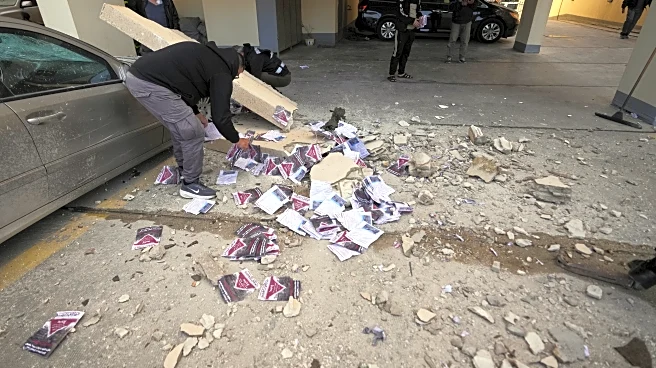
Israeli airstrikes in southern Lebanon have resulted in the deaths of three journalists, escalating tensions in the region. The journalists, Ali Shoeib, Fatima Ftouni, and Mohamed Ftouni, were killed in Jezzine, southern Lebanon. The Israeli military
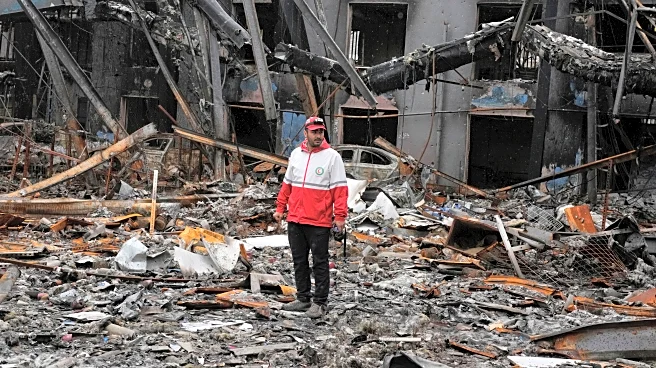
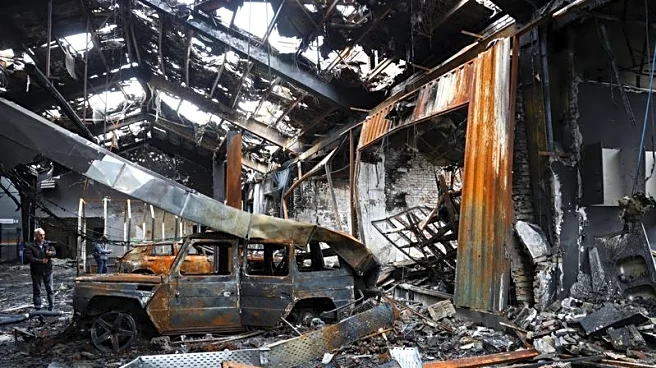
claimed that Shoeib was a Hezbollah intelligence operative, a claim that has been disputed. The airstrikes are part of a broader conflict involving U.S.-Israeli operations against Iran and its allies, with significant military actions reported across the Middle East. The conflict has seen multiple casualties, including civilians and peacekeepers, and has led to widespread destruction in affected areas.
Why It's Important?
The deaths of journalists in conflict zones highlight the dangers faced by media personnel and raise concerns about press freedom and the protection of non-combatants in war zones. The ongoing conflict between Israel and Iran, with U.S. involvement, has significant geopolitical implications, potentially affecting regional stability and international relations. The escalation could lead to broader military engagements, impacting global oil markets and international diplomatic efforts. The situation also underscores the complexities of Middle Eastern politics, where multiple state and non-state actors are involved, each with their own agendas and alliances.
What's Next?
The international community may call for investigations into the deaths of journalists and other non-combatants, potentially leading to diplomatic pressure on Israel and its allies. Human rights organizations are likely to demand accountability and adherence to international laws protecting journalists and civilians. The conflict may see further military escalations, with potential retaliatory actions from Hezbollah and other Iranian allies. Diplomatic efforts to de-escalate tensions could be pursued by global powers, aiming to prevent a wider regional conflict.
Beyond the Headlines
The targeting of journalists raises ethical questions about the conduct of military operations and the responsibilities of states to protect media personnel. The conflict's impact on civilian infrastructure and humanitarian conditions in affected areas could lead to long-term socio-economic challenges. The situation may also influence public opinion and political dynamics within the U.S. and Israel, as well as among their allies and adversaries.