



What's Happening?
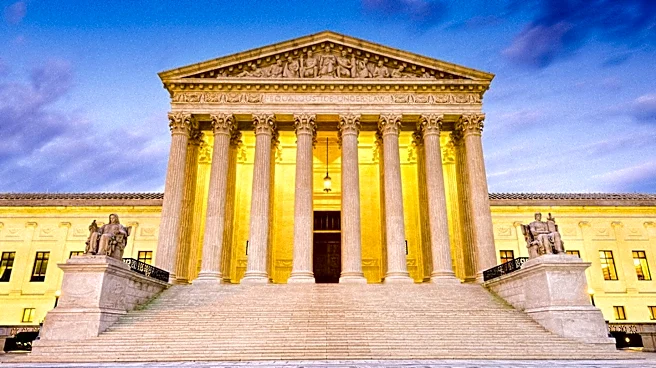
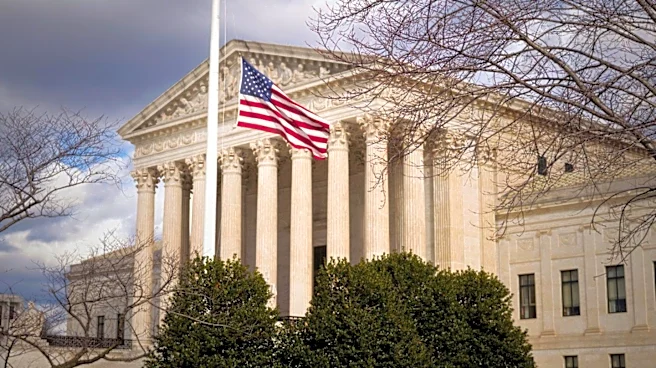
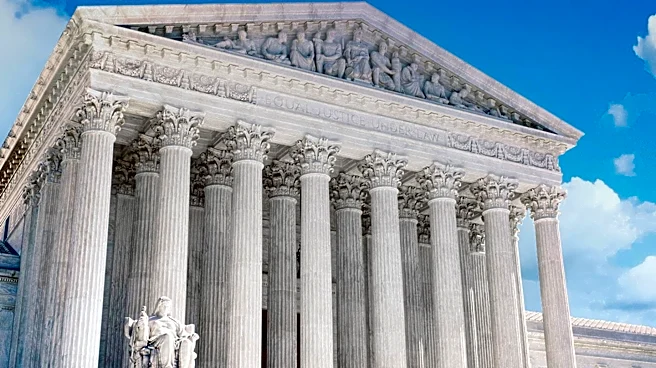
On June 29, 2026, the Supreme Court issued a ruling in the case of Trump v. Slaughter, declaring that for-cause removal protections for Federal Trade Commission (FTC) Commissioners are unconstitutional. This decision formally overturns the Court's 1935
precedent set in Humphrey's Executor v. United States, which had previously allowed Congress to shield members of certain independent agencies from being dismissed at the President's discretion. The case originated when President Trump fired FTC Commissioner Rebecca Kelly Slaughter, a Democratic appointee, citing a divergence in policy priorities. A federal district court initially ordered her reinstatement, a decision upheld by the D.C. Circuit. However, the Supreme Court intervened, permitting her termination while reviewing the legality of removal protections for FTC members, ultimately ruling against Commissioner Slaughter. This landmark decision significantly expands presidential authority over independent agencies, potentially impacting the operational independence of various federal bodies.
Why It's Important?
The Supreme Court's ruling in Trump v. Slaughter holds significant implications for the balance of power within the U.S. government, particularly concerning independent agencies. By eliminating for-cause removal protections for FTC Commissioners, the decision grants the President direct control over an agency previously designed to operate with a degree of independence from the executive branch. This shift means that the enforcement priorities and rulemaking agendas of agencies like the FTC may become more closely aligned with the President's policy preferences, potentially leading to greater volatility in agency policy across different administrations. For businesses, this could translate into less predictable regulatory environments, especially in areas like merger review and antitrust enforcement, where the FTC plays a crucial role. The decision also raises questions about the constitutional standing of removal protections for other commission-style agencies across the federal government that exercise executive power, suggesting a broader expansion of presidential influence.
What's Next?
The immediate aftermath of the Supreme Court's decision will likely see increased scrutiny on the structure and independence of other federal agencies with similar removal protections. While the ruling involved the FTC, its reasoning could be applied to other commission-style agencies, potentially leading to challenges to their operational autonomy. Future Presidents may now have the ability to remove commissioners from opposing parties, which could alter the composition and decision-making processes of these bodies. This could lead to more rapid shifts in agency enforcement priorities and policy, requiring businesses and legal professionals to adapt their strategies accordingly. The decision also creates a unique situation with the Federal Reserve Board, as the Court simultaneously ruled that Governor Lisa Cook could remain in her position while litigation over her termination is resolved, effectively creating a temporary 'Federal Reserve exception' to the broader holding. This suggests that the full implications of this ruling may unfold over time as its application to other agencies is tested in the courts.
Beyond the Headlines
This Supreme Court decision delves into fundamental questions about the separation of powers and the design of the administrative state in the U.S. The concept of independent agencies was established to insulate certain governmental functions from direct political influence, ensuring stability and expertise in areas like economic regulation and consumer protection. By dismantling a key aspect of this independence, the Court has potentially opened the door to a more politicized bureaucracy, where agency leadership and policy direction could fluctuate more dramatically with each change in presidential administration. This could lead to a long-term shift in how regulatory bodies operate, potentially undermining their perceived impartiality and increasing the risk of regulatory capture or politically motivated enforcement actions. The decision also highlights the ongoing tension between presidential power and congressional attempts to create checks and balances within the executive branch, raising ethical and legal debates about the appropriate scope of presidential authority over the vast federal apparatus.