


What's Happening?
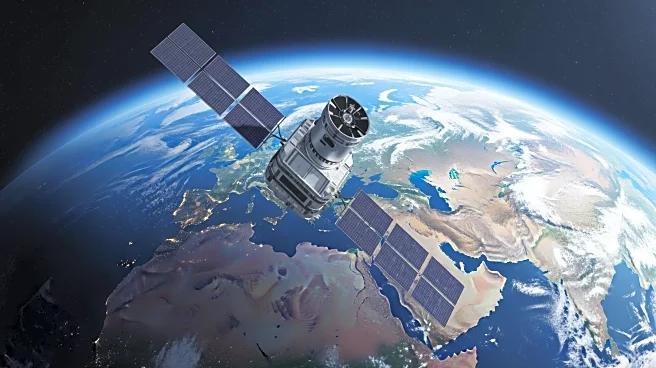
As satellite megaconstellations continue to expand, researchers are examining the potential risks posed by debris from these spacecraft reentering Earth's atmosphere. A study by Canadian researchers highlights a 40% collective risk of on-ground casualties
if satellites do not fully burn up during reentry. The study focuses on well-funded constellations comprising over 73,000 satellites, raising concerns about the safety and environmental impact of uncontrolled reentries.
Why It's Important?
The growth of satellite megaconstellations presents significant challenges for space safety and environmental management. The potential for debris to survive reentry and pose risks to people and infrastructure on Earth underscores the need for improved satellite design and reentry strategies. This issue highlights the importance of international cooperation and regulation to ensure the safe and sustainable use of space. The findings may prompt discussions on the development of standards for satellite construction and reentry procedures.
What's Next?
The study's recommendations include requiring independent verification of satellite demisability claims and evaluating collective casualty risks from entire constellations. There may be calls for a transition to controlled reentry regimes to minimize risks. Policymakers and industry stakeholders will likely engage in discussions on balancing the benefits of satellite constellations with the need to protect public safety and the environment. The findings could influence future regulations and industry practices in satellite deployment and management.