


What's Happening?
Germany has announced a new subsidy program offering up to €6,000 per electric vehicle (EV) to stimulate demand and support the automotive industry. This initiative is part of a broader strategy to enhance the adoption of EVs and reduce carbon emissions.
The subsidy is aimed at making EVs more accessible to a wider audience, particularly lower-income buyers. German automakers, including Volkswagen, are expected to benefit from this policy as they aim to expand their market share with new models like the ID Polo, which is set to debut in 2026. The subsidy is part of Germany's efforts to maintain its competitive edge in the global automotive market, which is increasingly shifting towards electric mobility.
Why It's Important?
The introduction of this subsidy highlights the critical role of government intervention in accelerating the transition to electric vehicles. For German automakers, this policy provides a significant boost, potentially increasing sales and encouraging further investment in EV technology. The subsidy also reflects Germany's commitment to meeting its environmental targets and reducing reliance on fossil fuels. By making EVs more affordable, the government aims to increase their adoption, which could lead to a reduction in greenhouse gas emissions. This move could also influence other countries to implement similar measures, intensifying global competition in the EV market.
What's Next?
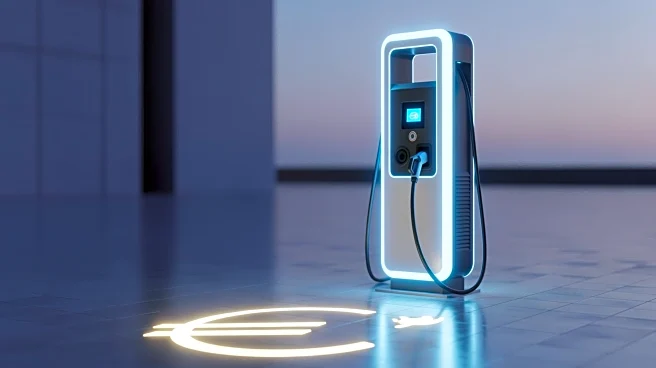
As the subsidy program rolls out, German automakers are likely to ramp up production and marketing efforts to capitalize on increased consumer interest. The success of this initiative could lead to further policy developments aimed at supporting the automotive industry's transition to electric mobility. Other countries may observe Germany's approach and consider implementing similar subsidies to boost their own EV markets. The increased demand for EVs could also drive advancements in battery technology and charging infrastructure, further supporting the industry's growth.