





What's Happening?
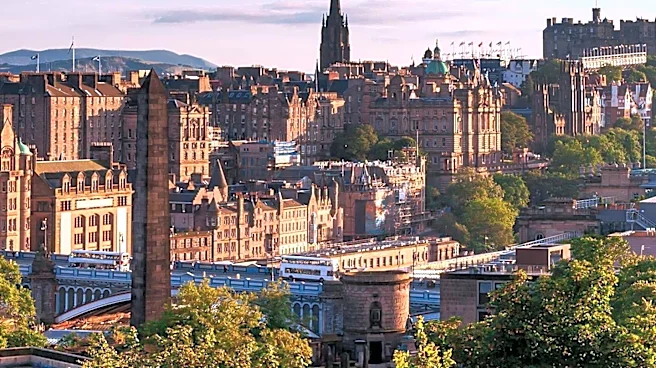
Edinburgh, Scotland, has introduced a tourist tax on overnight stays, becoming the first city in the UK to do so. The tax, effective from July 24, 2026, adds a 5% charge to accommodation costs for up to five consecutive nights. This initiative aims to address
the pressures of overtourism on city services and residents. The revenue, expected to reach up to £50 million annually, will fund projects to enhance public spaces and services, such as upgrading trash bins, investing in parks, and restoring cultural sites. The tax applies to all types of accommodations, including hotels and Airbnbs.
Why It's Important?
The introduction of a tourist tax in Edinburgh highlights a growing trend among popular tourist destinations to mitigate the negative impacts of overtourism. By generating additional revenue, the city can invest in infrastructure and services that improve the quality of life for residents and enhance the visitor experience. This approach reflects a broader movement towards sustainable tourism, where the economic benefits of tourism are balanced with the need to preserve local environments and communities. Other cities facing similar challenges may look to Edinburgh's model as a viable solution to manage tourism sustainably.
What's Next?
Following Edinburgh's lead, Glasgow plans to implement its own tourist tax starting January 1, 2027. This indicates a potential shift in how UK cities manage tourism, with more local governments considering similar measures. The success of Edinburgh's tax could influence policy decisions in other regions, encouraging a more sustainable approach to tourism management. Stakeholders, including local businesses and tourism boards, will likely monitor the tax's impact on visitor numbers and local economies, adjusting strategies to maximize benefits while minimizing any negative effects on tourism.