
What's Happening?
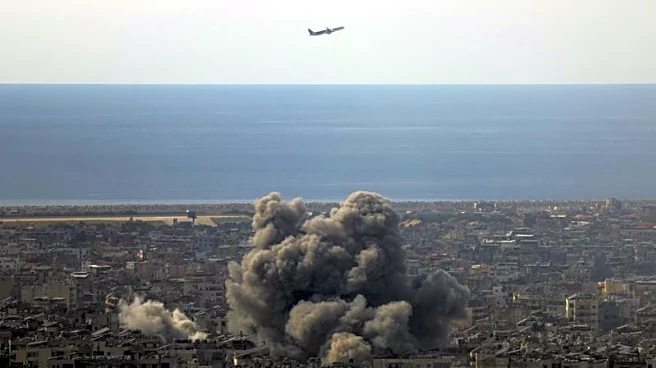
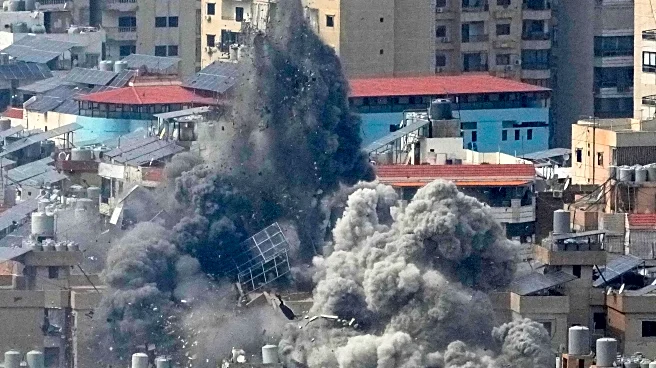
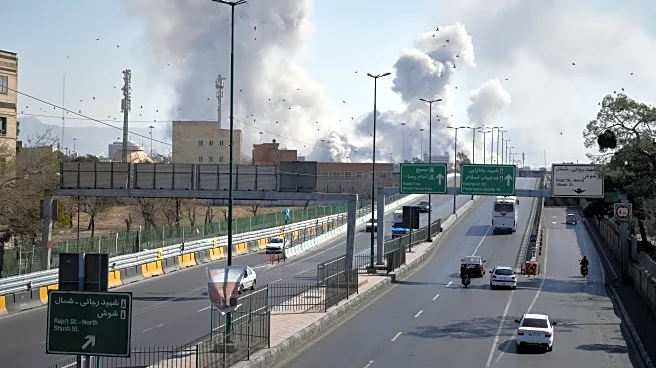
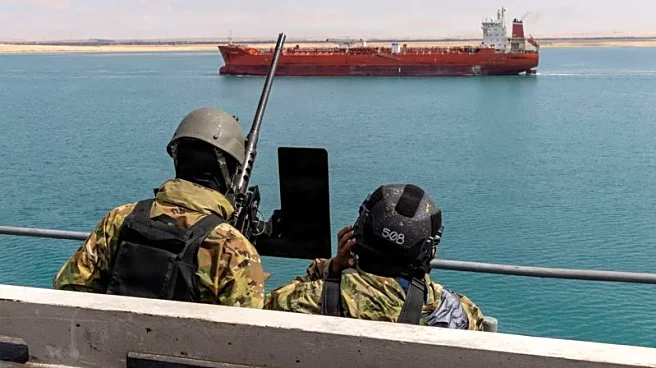
The United States is experiencing heightened geopolitical tensions due to the ongoing conflict with Iran, which has resulted in the death of a seventh American service member. The conflict has also led to significant casualties in Iran and Lebanon. President
Trump has indicated that the war may continue until Iran's military and leadership are dismantled. Domestically, the conflict is affecting U.S. travelers, with many opting for domestic spring break destinations due to safety concerns. Additionally, the Trump administration is exploring economic deals with Cuba to avoid confrontation, while the Department of Homeland Security faces criticism for its focus on deportations.
Why It's Important?
The conflict with Iran has far-reaching implications for U.S. foreign policy and domestic stability. The potential for prolonged military engagement raises concerns about further casualties and economic impacts, such as rising oil prices. The administration's stance on Iran and Cuba reflects broader geopolitical strategies that could reshape U.S. relations in the Middle East and Latin America. Domestically, the focus on deportations by the Department of Homeland Security is drawing criticism and could impact public perception and policy. The situation underscores the complex interplay between international conflicts and domestic policy challenges.
What's Next?
As the conflict with Iran continues, the U.S. may face increased pressure to negotiate or escalate military actions. The administration's approach to Cuba could lead to shifts in diplomatic relations and economic policies. Domestically, the focus on deportations may prompt legislative or judicial responses, particularly if public opposition grows. The travel industry may also see changes as Americans adjust their plans in response to geopolitical tensions. The outcomes of these developments will likely influence U.S. political dynamics and international standing in the coming months.