






What's Happening?
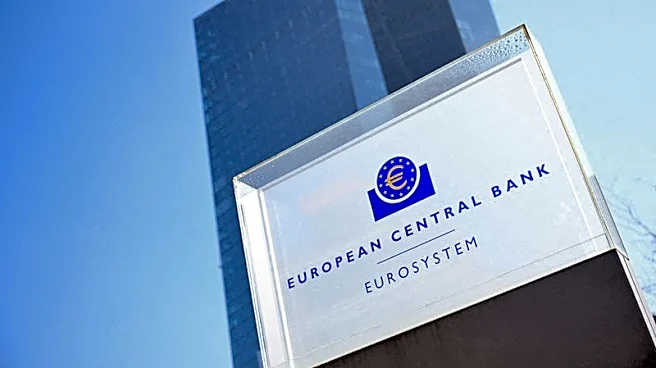
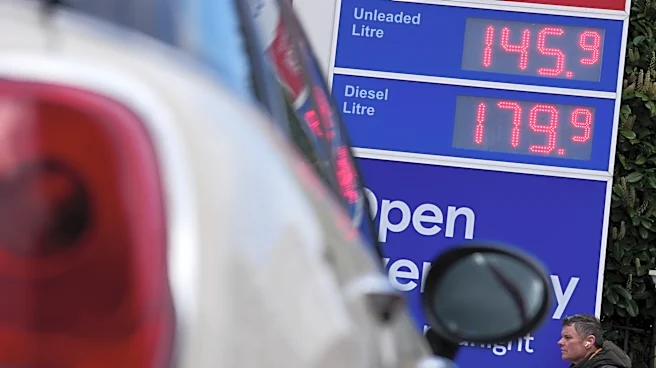
The European Central Bank (ECB) is grappling with a significant inflation increase, as reported by Eurostat. Inflation in the Eurozone rose to 3% in April, driven by a 10.9% surge in energy prices due to the Iran war. This conflict has led to the closure
of the Strait of Hormuz, a critical oil passage, causing crude oil prices to soar above $120 per barrel. Despite the inflation surpassing the ECB's 2% target, the bank is expected to maintain its benchmark interest rate at 2%. The Eurozone's economic growth remains sluggish, with only a 0.1% increase in the first quarter, raising concerns of stagflation.
Why It's Important?
The inflation spike poses a dilemma for the ECB, as raising interest rates to curb inflation could further slow economic growth. The situation is complicated by the ongoing Iran war, which has disrupted global oil supplies, impacting energy costs and consumer prices. The ECB's decision to hold interest rates reflects a cautious approach, balancing inflation control with economic stability. This scenario highlights the interconnectedness of global events and their impact on regional economies, with potential repercussions for U.S. markets and international trade.
What's Next?
The ECB and other central banks, including the U.S. Federal Reserve, are closely monitoring the situation. Future policy decisions will depend on the persistence of inflationary pressures and economic growth trends. The ECB may face pressure to adjust interest rates if inflation becomes entrenched, potentially affecting global financial markets. Stakeholders, including businesses and consumers, will be watching for signs of policy shifts that could influence economic conditions and investment strategies.