


What's Happening?
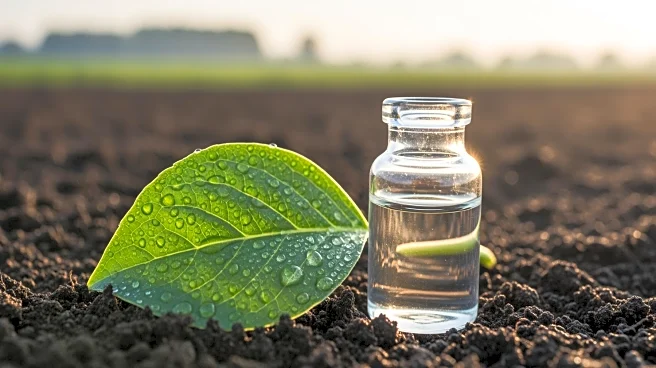
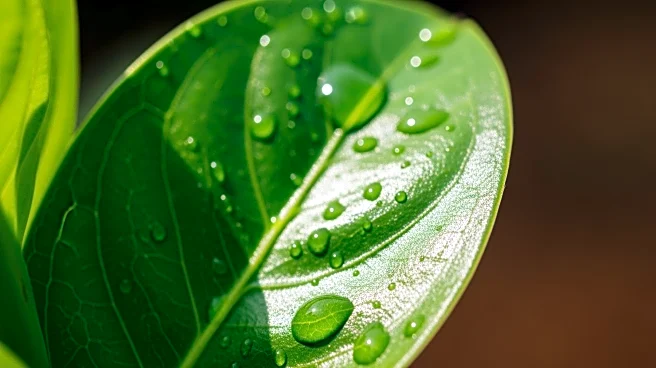
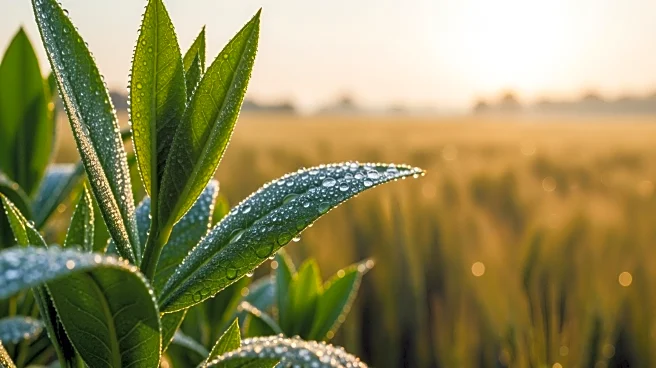
Researchers have developed a new bio-based coating called 'SafeWax' that offers a pesticide-free solution for protecting crops. Inspired by the natural waxy cuticles of plants like the lotus, SafeWax forms a superhydrophobic layer on plant surfaces, preventing
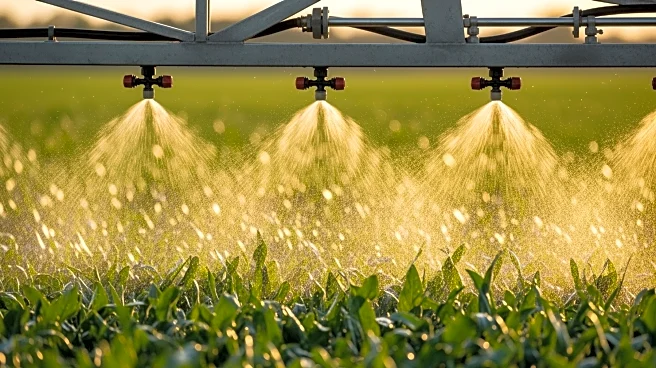
water accumulation and pathogen adhesion. This innovative coating not only protects crops from fungal pathogens but also enhances their resilience to UV radiation and heat. The development of SafeWax comes in response to the environmental and health concerns associated with traditional chemical pesticides, which have been linked to soil and water pollution and the emergence of resistant pathogen strains.
Why It's Important?
SafeWax represents a significant advancement in sustainable agriculture, aligning with global initiatives to reduce chemical pesticide use. By providing an eco-friendly alternative, SafeWax could help mitigate the negative environmental impacts of traditional pesticides, such as biodiversity loss and soil degradation. The coating's ability to enhance crop resilience to climate stressors also addresses the challenges posed by climate change, potentially improving food security. As the agricultural industry seeks to balance productivity with environmental stewardship, innovations like SafeWax could play a crucial role in achieving sustainable farming practices.
What's Next?
Further research is needed to optimize SafeWax for large-scale agricultural use, including assessing its long-term ecological impact and determining reapplication cycles. Researchers will also explore the potential integration of SafeWax with organic farming practices and its compatibility with reduced pesticide doses. Beyond agriculture, the coating's properties suggest potential applications in other industries, such as marine and architectural surfaces, where moisture control is essential. As SafeWax moves towards commercialization, it could become a key component in the transition to more sustainable agricultural systems.