






What's Happening?
Basic income programs, which provide no-strings-attached cash to low-income households, have been implemented in various U.S. cities with mixed outcomes. Participants have used the funds for essential expenses like rent, groceries, and childcare, with some
reporting improved financial stability and career advancement. However, the long-term impact of these programs remains uncertain, as many participants return to financial instability once the payments end. The programs face challenges in sustainability and political support, with critics questioning their effectiveness and cost. Despite these challenges, some participants credit basic income with providing crucial support during difficult times.
Why It's Important?
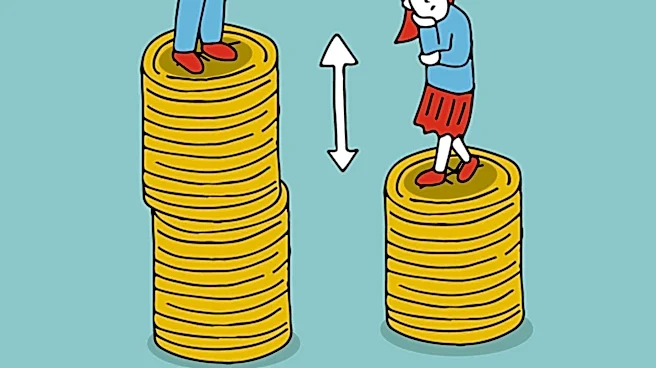
The exploration of basic income as a tool for addressing poverty and economic insecurity is significant in the context of a rapidly changing job market influenced by technology and automation. While basic income can provide immediate relief, its long-term viability and impact on economic mobility are still debated. The findings from these programs could inform future policy decisions on social safety nets and economic support systems. The discussion also highlights broader questions about the role of government in providing financial assistance and the potential for basic income to address systemic economic challenges.