





What's Happening?
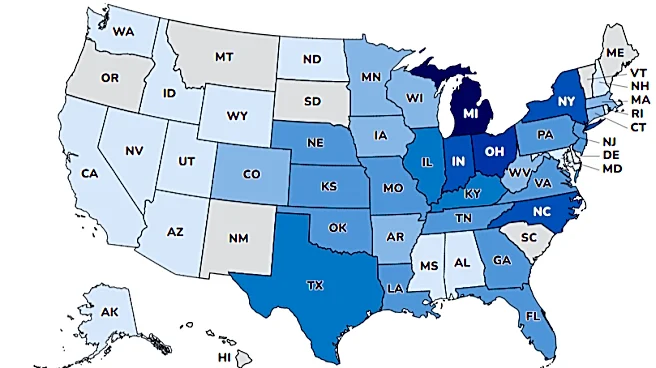
The largest known cyclospora outbreak in the United States has now expanded to include Pennsylvania, according to federal health officials. The outbreak, which has sickened nearly 2,000 people across nine states, is linked to recalled iceberg lettuce
supplied by Taylor Farms de Mexico. Cyclospora cayetanensis, the parasite responsible for the illness known as cyclosporiasis, has been identified as the cause. The Centers for Disease Control and Prevention (CDC) reports over 4,100 laboratory-confirmed cases nationwide this year, with thousands more under review. The outbreak has prompted concerns about food safety, particularly regarding lettuce consumption. While the CDC has not advised against eating all lettuce, it recommends avoiding the recalled iceberg lettuce. Sweetgreen, a company known for its salads, has stated that its ingredients have not been linked to the outbreak.
Why It's Important?
This outbreak highlights significant public health concerns and the challenges of food safety in the U.S. The widespread nature of the outbreak, affecting multiple states, underscores the need for stringent food safety protocols and rapid response mechanisms. The economic impact on the agricultural sector, particularly for suppliers like Taylor Farms, could be substantial, affecting their operations and consumer trust. For consumers, the outbreak raises awareness about the importance of food safety and the potential health risks associated with contaminated produce. The situation also places pressure on regulatory bodies like the CDC and FDA to ensure effective monitoring and communication to prevent further spread.
What's Next?
As the investigation continues, consumers are advised to stay informed through updates from the CDC, FDA, and retailers regarding any additional recalls or warnings. The focus remains on identifying and mitigating the source of contamination to prevent further cases. Companies involved in the supply chain may need to review and enhance their safety protocols to restore consumer confidence. Public health officials will likely continue to monitor the situation closely, providing guidance to both consumers and businesses on safe food practices.