

What's Happening?
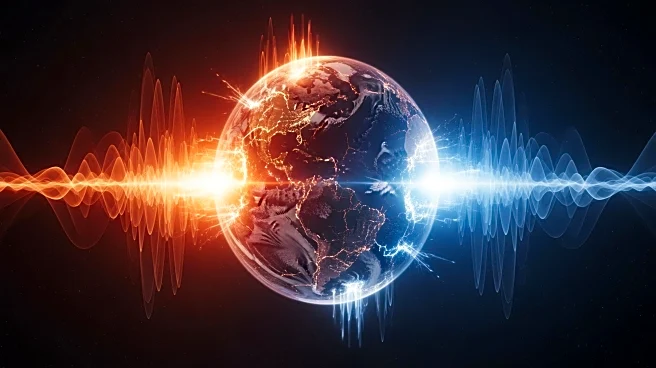
The United Nations has released a report indicating that the Earth's energy imbalance has reached unprecedented levels, contributing to significant global warming. This imbalance, which refers to the difference between the energy absorbed by the Earth and
the energy radiated back into space, has been increasing since 1960. The report highlights that over 90% of this excess energy is absorbed by the oceans, leading to record-high ocean heat content. The warming of the oceans is accelerating, with the rate more than doubling over the past two decades compared to the previous 45 years. This situation is exacerbating extreme weather events, such as heatwaves, forest fires, and storms, and is impacting food supplies and health. The report underscores the role of human activities, particularly the burning of fossil fuels, in releasing greenhouse gases that trap heat in the atmosphere.
Why It's Important?
The findings of the UN report are critical as they underscore the urgent need for global action to address climate change. The increasing energy imbalance and its effects on the climate system pose significant risks to ecosystems, economies, and human health. Rising ocean temperatures and sea levels threaten coastal communities and marine biodiversity. The report's emphasis on the role of human-induced greenhouse gas emissions highlights the necessity for countries to transition to renewable energy sources and reduce reliance on fossil fuels. Failure to address these issues could lead to more severe climate impacts, affecting agriculture, increasing the frequency of natural disasters, and exacerbating public health challenges.
What's Next?
The report suggests that the current La Niña phase, which typically brings cooler global temperatures, may soon transition to an El Niño phase, potentially leading to further increases in global temperatures. This transition could result in record-high temperatures and more extreme weather conditions. The international community is urged to strengthen climate agreements and implement policies that reduce carbon emissions. The upcoming climate summits will be crucial for countries to commit to more ambitious targets and collaborate on solutions to mitigate the impacts of climate change.
Beyond the Headlines
The report also highlights the long-term implications of the energy imbalance, such as the potential for irreversible changes in ocean circulation and the melting of polar ice, which could have profound effects on global climate patterns. The ethical dimension of climate change is also significant, as the impacts disproportionately affect vulnerable populations who contribute the least to greenhouse gas emissions. Addressing these disparities is essential for achieving climate justice and ensuring sustainable development.