



What's Happening?
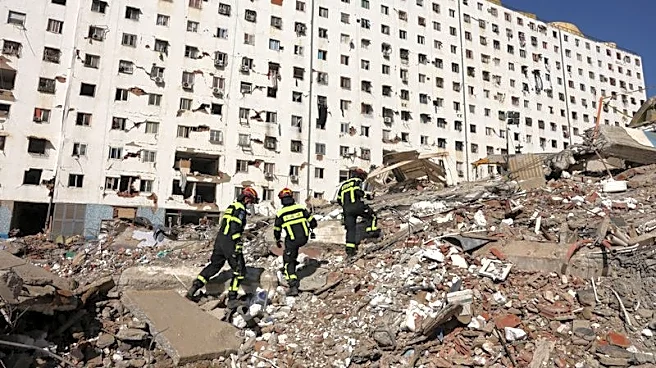
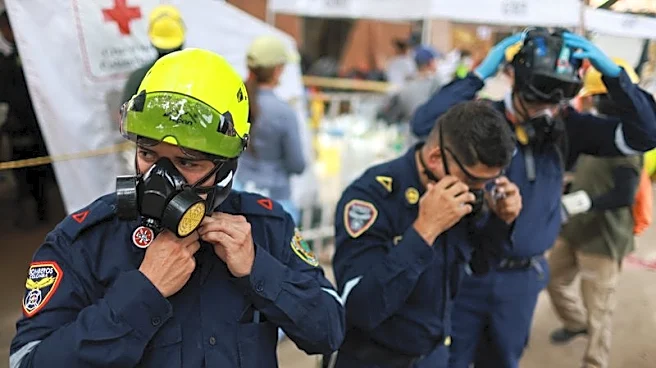
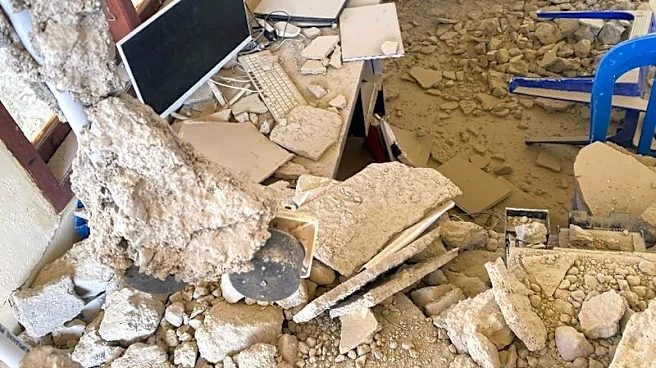
Airbnb.org, a non-profit organization founded by Airbnb, is offering free emergency housing to first responders in Colombia following a recent earthquake. This initiative aims to provide stable places for first responders to rest and recover near affected
areas before returning to their duties. The free stays are funded by Airbnb.org and contributions from donors. In this initial phase, Airbnb.org is collaborating with the Defensa Civil Colombiana and other non-profit organizations, including CENACED, Fundación Renacer, and Save the Children Colombia, to support their relief efforts. Christoph Gorder, Executive Director of Airbnb.org, emphasized that a stable place to stay is crucial for first responders. Cynthia Espinoza Aranguré, Director General of CENACED, highlighted that Airbnb.org's support significantly boosts the response capacity of their brigades, ensuring frontline caregivers have housing during critical times.
Why It's Important?
This initiative by Airbnb.org underscores the critical role that private sector entities can play in disaster relief and humanitarian efforts. By leveraging its platform and network, Airbnb.org provides immediate and practical support, addressing a fundamental need for first responders: safe and accessible accommodation. This not only aids in the physical recovery of those working tirelessly on the ground but also enhances their operational effectiveness by allowing them to remain close to the disaster zones. The collaboration with local and international non-profits demonstrates a coordinated approach to crisis response, maximizing the impact of aid. Such partnerships are vital in emergencies, as they combine resources and expertise to deliver comprehensive support to affected communities and the personnel assisting them. The provision of free housing also alleviates financial burdens on relief organizations, allowing them to allocate more resources directly to other critical aid efforts.
What's Next?
Airbnb.org will continue to work directly with relief organizations to identify and provide housing for first responders as the recovery efforts in Colombia progress. The focus will remain on ensuring that those on the front lines have access to stable accommodation. The organization will also likely continue to solicit donations to sustain these efforts, as the need for emergency housing can extend long after the initial disaster. Furthermore, the partnerships with organizations like Defensa Civil Colombiana, CENACED, Fundación Renacer, and Save the Children Colombia are expected to deepen, potentially leading to more integrated and efficient disaster response mechanisms in future crises. The success of this program could also serve as a model for similar initiatives in other regions prone to natural disasters, highlighting the potential for technology platforms to contribute significantly to humanitarian aid.
Beyond the Headlines
The involvement of Airbnb.org in disaster relief highlights a growing trend of corporate social responsibility where companies utilize their core competencies for humanitarian purposes. This model not only provides essential services during crises but also builds goodwill and demonstrates a commitment to global citizenship. The initiative also sheds light on the often-overlooked needs of first responders, whose well-being is paramount for effective disaster management. By ensuring they have a place to rest, Airbnb.org contributes to the mental and physical resilience of these critical personnel. Moreover, the program implicitly addresses broader societal issues related to disaster preparedness and community resilience, showcasing how innovative solutions can bridge gaps in traditional aid structures. This approach could inspire other companies to adapt their business models to address pressing social and environmental challenges, fostering a more integrated and responsive global support system.