



What's Happening?
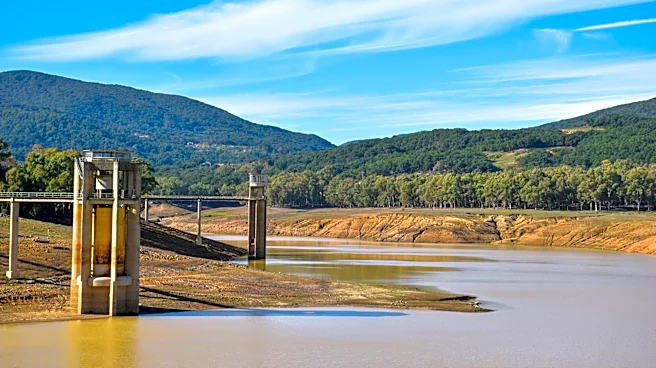
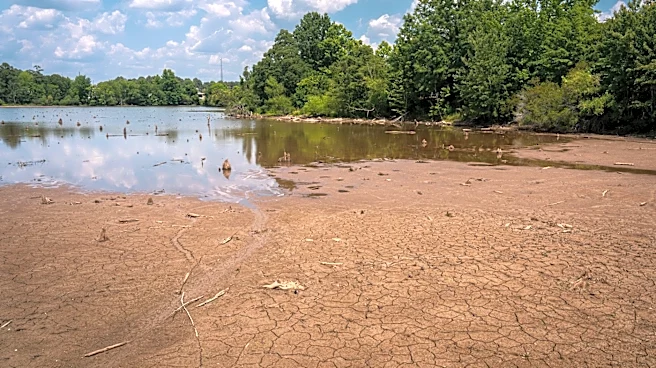
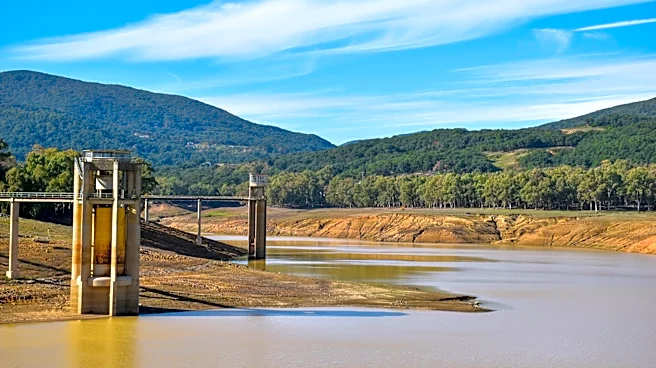
Massachusetts officials have declared a significant drought (Level 2) in the Southeast, Cape Cod, and Islands regions due to continued below-average rainfall and worsening dry conditions. Energy and Environmental Affairs Secretary Rebecca Tepper emphasized
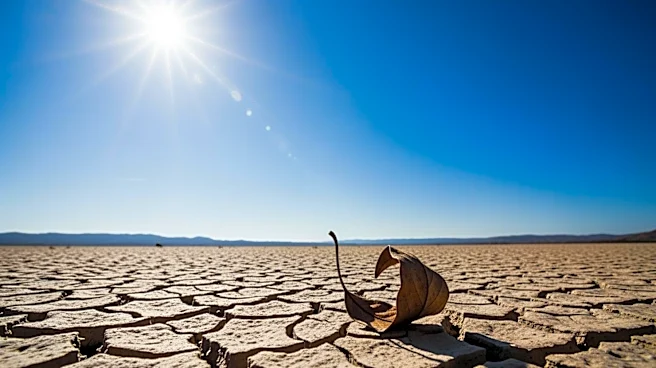
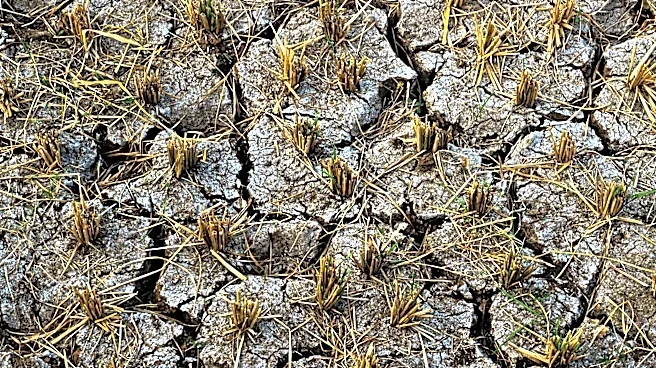
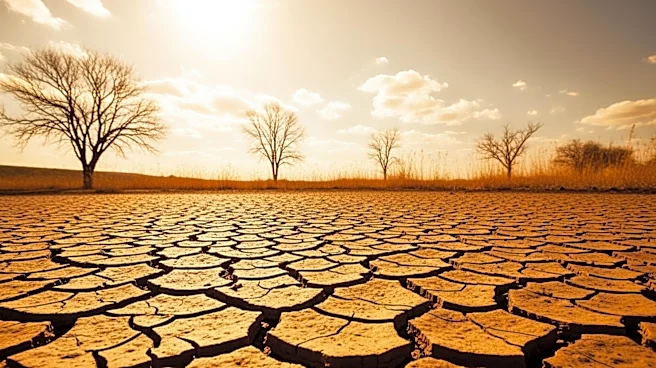
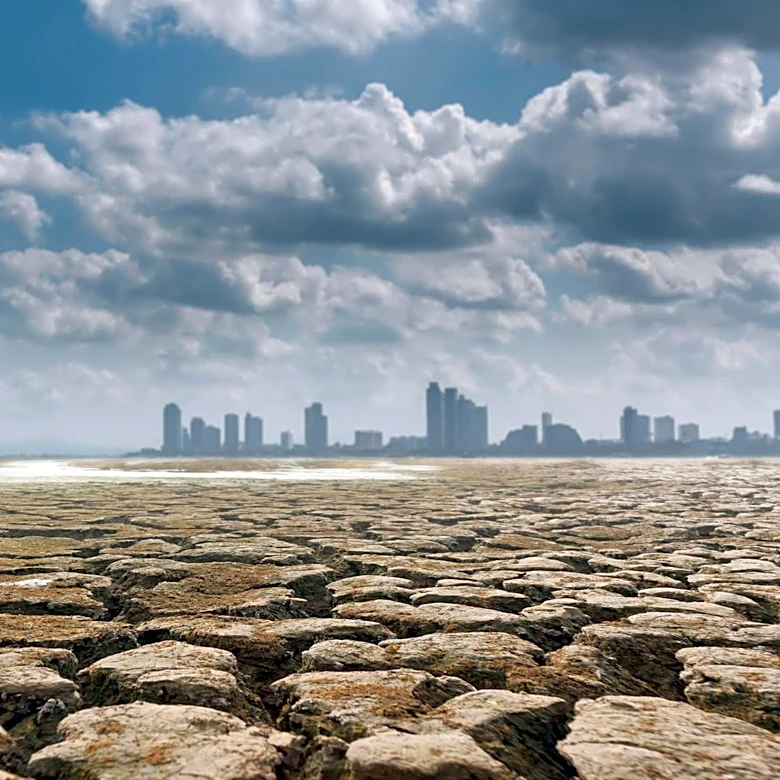
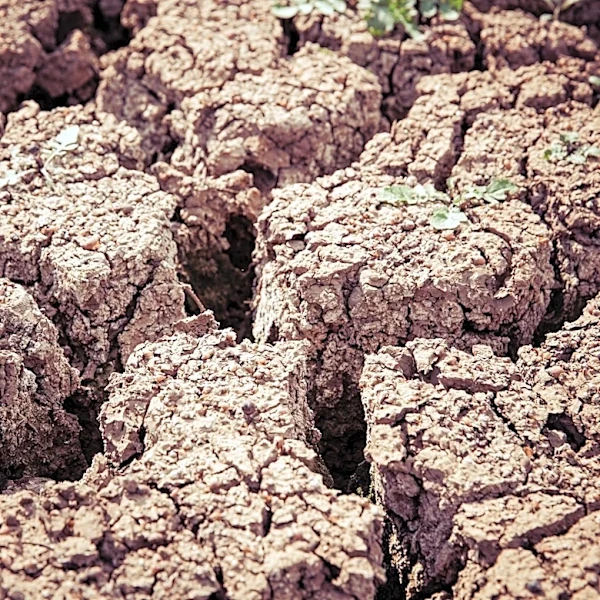
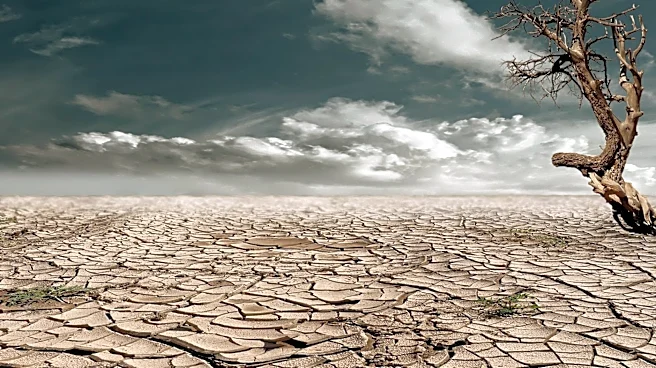
the increasing stress on local water resources, urging residents to limit outdoor water use to preserve supplies. The state has experienced two years of below-average rainfall, leading to declining streamflow and groundwater levels. The Connecticut River Valley and Central regions are also at Level 2, while the Northeast sector faces a Level 3 (critical) drought designation.
Why It's Important?
The drought declaration in Massachusetts underscores the growing challenges posed by climate variability and its impact on water resources. Prolonged dry conditions can have significant consequences for agriculture, water supply, and ecosystem health. As water scarcity becomes more pronounced, it may lead to stricter water usage regulations and increased competition for resources among different sectors. The situation highlights the need for sustainable water management practices and long-term planning to mitigate the effects of climate change on regional water availability.
What's Next?
Massachusetts residents and businesses may face further water use restrictions if conditions do not improve. The state's Drought Management Plan outlines specific measures for each drought level, which could include mandatory water conservation efforts. Authorities will continue to monitor weather patterns and water levels, adjusting their response as necessary. Public awareness campaigns may be launched to encourage responsible water use and educate the community about the importance of conservation during drought periods.