
What's Happening?
Texas's 23rd Congressional District has been without a representative since former U.S. Rep. Tony Gonzales resigned on April 14. This vacancy has become a point of contention, particularly highlighted
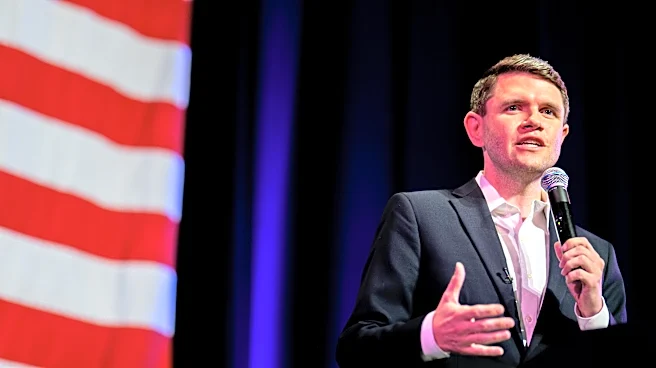
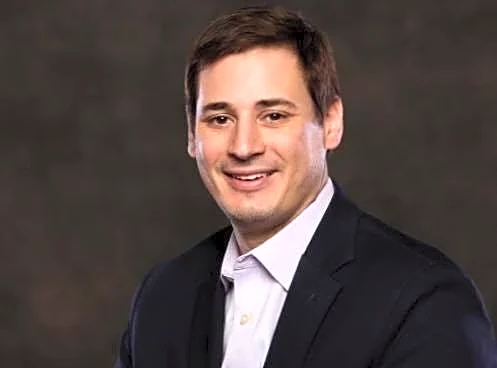
by Democratic gubernatorial nominee Gina Hinojosa and Presidio Mayor John Ferguson. Hinojosa, in her criticism of Governor Greg Abbott, stated that residents in the Big Bend region feel disconnected from government decision-making due lacking a voice in Congress due to the absence of a special election to fill the vacancy. The district, which encompasses a significant portion of the Big Bend region, is currently unrepresented, leading to concerns among its constituents regarding their ability to engage with federal decision-making processes.
Why It's Important?
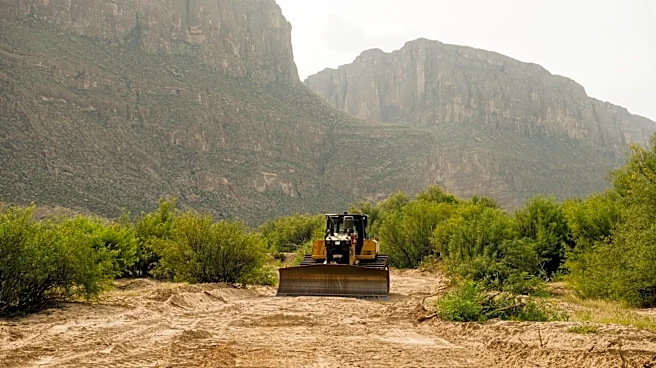
The prolonged vacancy in Texas's 23rd Congressional District has significant implications for its residents and the broader political landscape of Texas. Without a representative, the district's constituents lack direct advocacy in Congress, potentially impacting their access to federal resources and their ability to influence national policy decisions. This is particularly critical for the Big Bend region, which is currently grappling with issues related to federal border infrastructure, including eminent domain proceedings on privately owned land. The absence of a congressional voice can exacerbate feelings of disenfranchisement and hinder effective communication between the federal government and local communities. Furthermore, the criticism directed at Governor Abbott for not calling a special election underscores a broader political debate about governmental responsiveness and the mechanisms for ensuring continuous representation for all districts.
What's Next?
The immediate next step for Texas's 23rd Congressional District is the eventual filling of the vacant seat. The timing and method of this will depend on Governor Abbott's decision regarding a special election. Should a special election be called, it would initiate a new political contest, drawing candidates from both major parties to vie for the congressional seat. In the interim, local leaders and community groups are likely to continue advocating for their interests and pressing for the appointment of a new representative. The ongoing gubernatorial race in Texas may also see the issue of the vacant congressional seat used as a political talking point, with candidates like Gina Hinojosa continuing to highlight the perceived lack of action from the current administration.
Beyond the Headlines
The vacancy in Texas's 23rd Congressional District highlights a fundamental aspect of democratic representation: the continuous need for a direct link between constituents and their federal government. Beyond the immediate political implications, the situation raises questions about the resilience of democratic processes when such a link is severed for an extended period. It underscores the importance of timely electoral processes to ensure that all citizens have a voice in national affairs, especially in regions facing complex federal issues like border infrastructure. The debate also touches upon the balance of power between state and federal authorities in managing electoral vacancies and the potential for such situations to deepen public distrust in governmental institutions if not addressed promptly and transparently.