







What's Happening?
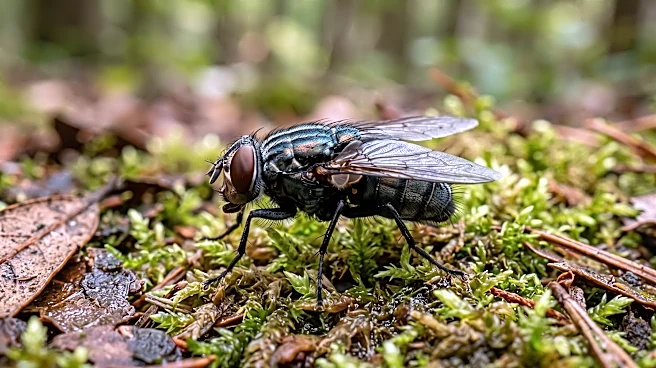
The Florida Fish and Wildlife Conservation Commission (FWC) has issued a warning to hunters across Florida to be vigilant for signs of New World screwworm (NWS) infestation in harvested animals or those observed on camera. This alert comes as the parasitic
fly continues to spread, posing a significant threat to mammals and birds. Hunters are specifically asked to inspect wounds or genitalia of recently harvested animals for maggots. NWS larvae infest fresh, living wounds, burrowing deep into the flesh, which can lead to foul odor, bloody discharge, and thickened, deep wounds. Animals may also exhibit irritated or erratic behavior, lethargy, or isolation. Early detection is crucial for preventing or containing an outbreak, as NWS could establish itself in Florida due to the state's subtropical climate, potentially taking years to eradicate if established. The FWC advises specific protocols if NWS is suspected, including not removing or field-dressing the carcass, wearing gloves, taking photos, and recording the location before reporting to relevant authorities.
Why It's Important?
The re-emergence and spread of the New World screwworm in the U.S. represents a significant threat to livestock, wildlife, and pets, with potential economic and ecological ramifications. The parasite's ability to infest any warm-blooded animal, including deer and other game animals, directly impacts Florida's wildlife populations and hunting industry. An established NWS population could lead to widespread animal suffering and mortality, disrupting ecosystems and potentially affecting the state's agricultural sector. The FWC's call for hunter vigilance underscores the importance of public participation in disease surveillance, highlighting that early detection is the most effective strategy for containment. The economic burden of eradication efforts, including sterile fly releases and potential livestock movement restrictions, could be substantial, impacting ranchers and pet owners. Furthermore, the potential for NWS to affect humans, though rare, adds a public health dimension to the concern, emphasizing the need for a coordinated 'One Health' approach.
What's Next?
Florida authorities will continue to monitor for NWS cases, relying heavily on reports from hunters and the public for early detection. The FWC has provided clear guidelines for reporting suspected infestations, including contact information for the Florida Department of Agriculture and Consumer Services. Ongoing efforts will focus on limiting the spread through surveillance and potential control measures, which could include sterile fly releases if an outbreak occurs. The state's subtropical climate makes it particularly vulnerable to NWS establishment, meaning that sustained vigilance will be necessary. Research into genetic engineering for screwworm control is also underway, though facing regulatory and ethical hurdles. Pet owners and livestock producers in Florida and neighboring states will need to remain informed about travel restrictions and inspection requirements to prevent further dissemination of the parasite.
Beyond the Headlines
The New World screwworm outbreak highlights the interconnectedness of animal health, environmental factors, and human activity. The parasite's ability to cross species barriers and its historical eradication in the U.S. underscore the fragility of biosecurity measures against invasive species. The reliance on sterile fly production facilities, some located internationally, points to the global nature of pest control and the need for international cooperation. The ethical considerations surrounding genetic engineering for pest control also come to the forefront, balancing the need for effective eradication with potential unforeseen consequences. This situation serves as a stark reminder that even seemingly eradicated threats can re-emerge, necessitating continuous surveillance, rapid response capabilities, and public engagement to protect both wildlife and agricultural interests.