





What's Happening?
The Denver Zoological Foundation Inc. has initiated legal action against Vertix Builders Inc., a Firestone-based construction company, and Barker Rinker Seacat Architecture PC, a Denver-based architectural firm. The lawsuit concerns the construction of
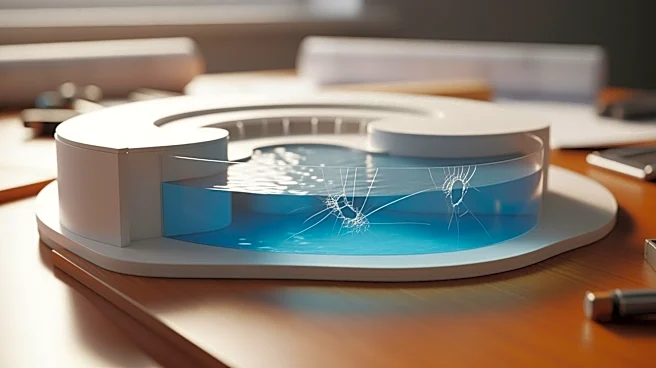
a new sea lion habitat at the Denver Zoo, which the zoo claims was marred by faulty designs and substandard work. The alleged deficiencies include rusting, failure to meet the contracted size, water seepage, nonfunctional sump pumps, and cracking on the beaches. The zoo contracted these firms in 2022 to rebuild the habitat, but the issues have led to dissatisfaction among the zoo's caretakers. Vertix Builders, which has previously worked on other zoo projects, expressed surprise at the lawsuit, stating they believed an agreement had been reached to address the issues. The lawsuit, filed on March 17, 2026, seeks a judgment in favor of the zoo and damages to be determined at trial.
Why It's Important?
This lawsuit highlights significant concerns about construction quality and accountability in public projects. The Denver Zoo, a major cultural and educational institution, relies on such projects to enhance visitor experience and animal welfare. The outcome of this case could impact future contracts and partnerships between public institutions and private contractors. It underscores the importance of rigorous oversight and quality assurance in construction projects, especially those involving public funds or donations. The case also raises questions about the responsibilities of contractors and architects in ensuring their work meets agreed-upon standards, which could influence industry practices and legal standards in construction and architecture.
What's Next?
The legal proceedings will determine the resolution of the dispute, with potential implications for the involved parties. If the court rules in favor of the zoo, Vertix Builders and Barker Rinker Seacat Architecture may face financial penalties and reputational damage. The case could also prompt other institutions to reassess their contracts and quality control measures. Meanwhile, the zoo may need to address the deficiencies to ensure the habitat meets the necessary standards for animal welfare and visitor safety. The outcome could influence future collaborations between the zoo and construction firms, potentially affecting how such projects are managed and executed.