
What's Happening?
President Trump has stated in an interview with NBC News that he does not rule out the possibility of military action against Venezuela, a founding member of OPEC with the largest proven oil reserves globally.
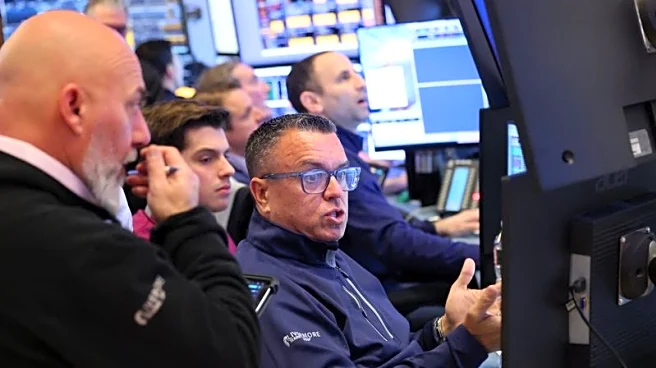
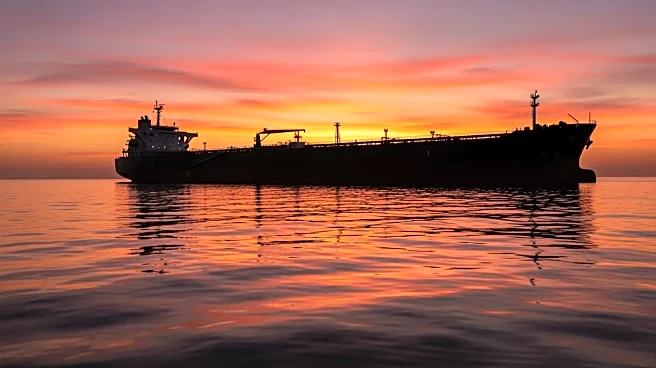
This statement comes as Venezuela exports approximately 749,000 barrels of oil per day, with significant portions going to China and the U.S. Despite the potential geopolitical tensions, U.S. crude oil prices remained stable, with a slight increase of 0.78% to $56.59 per barrel. The global benchmark Brent also saw a rise of 0.95% to $60.39. The stability in oil prices is attributed to the market's current lack of indication of a major supply disruption, even as the U.S. has increased military presence in the Caribbean and imposed sanctions on Venezuelan oil tankers.
Why It's Important?
The potential for military action against Venezuela by the U.S. could have significant implications for global oil markets and geopolitical stability. Venezuela's role as a major oil exporter means that any disruption in its oil supply could impact global oil prices and supply chains. Additionally, the U.S.'s stance could influence international relations, particularly with countries like China that are major importers of Venezuelan oil. The situation also highlights the ongoing tensions between the U.S. and Venezuela, with President Trump's administration taking a hardline approach against President Nicolas Maduro's government. The stability of oil prices despite these tensions suggests that the market is currently well-supplied, but any escalation could change this dynamic.
What's Next?
The next steps could involve further diplomatic or military actions by the U.S. as it seeks to address its concerns with Venezuela. The international community, including major oil-importing countries, will likely monitor the situation closely, as any escalation could impact global oil supply and prices. Additionally, the U.S. Congress may scrutinize the legality of military actions and sanctions imposed by the Trump administration. The response from Venezuela and its allies, as well as the potential for negotiations or conflict, will be critical in determining the future of U.S.-Venezuela relations and the stability of the oil market.