



What's Happening?
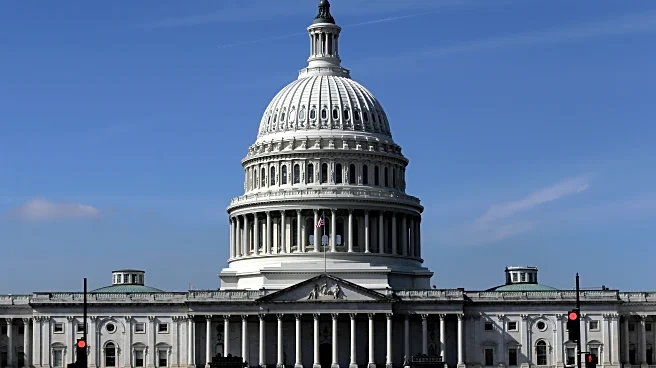
Senator Bernie Sanders and Representative Ro Khanna have introduced the Make Billionaires Pay Their Fair Share Act, which proposes a 5% annual wealth tax on billionaires in the United States. The legislation aims to generate $4.4 trillion over the next
decade, funding social programs including a $3,000 direct payment to individuals in households earning $150,000 or less annually. The bill also seeks to reverse cuts to Medicaid and the Affordable Care Act, expand Medicare coverage, and establish a $60,000 minimum salary for public school teachers. The proposal targets the wealth of billionaires like Elon Musk and Jeff Bezos, who would owe significant taxes under the plan. However, the bill faces long odds in the GOP-controlled Congress.
Why It's Important?
The proposed wealth tax highlights ongoing debates about income inequality and tax reform in the United States. If passed, the legislation could significantly impact the wealth distribution by requiring billionaires to contribute more to public funds. This could lead to increased funding for healthcare, education, and direct financial support to millions of Americans, potentially reducing economic disparities. However, the bill's passage is uncertain, and its introduction may influence future political campaigns and policy discussions, particularly within the Democratic Party.
What's Next?
The bill's introduction could spark debates among potential 2028 Democratic presidential candidates, as it aligns with progressive calls for economic reform. While Sanders is not expected to run for president again, the proposal may influence the platforms of other candidates. Additionally, the bill's progress in Congress will be closely watched, as it could set a precedent for future tax policies targeting the ultra-wealthy.