



What's Happening?
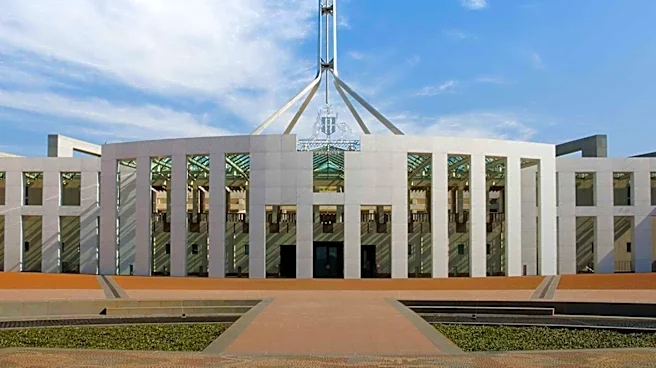
The Australian Albanese government has decided to postpone the implementation of new packaging laws aimed at reducing plastic waste. This decision, communicated to industry representatives via email, indicates that the promised reforms will not be introduced
before the next election. The federal environment department cited concerns about exacerbating cost of living pressures on consumers as the primary reason for shelving the legislation. These laws, under development since a 2023 agreement between federal and state governments, were intended to mandate producers to cut waste and increase plastics recycling. Potential rules included setting design standards, prohibiting certain chemicals, restricting excessive packaging layers, and holding producers responsible for packaging across its full life cycle. Environmental groups, industry stakeholders, and state governments have expressed significant outrage over this reversal, with many accusing the government of breaking a key promise regarding environmental protection and waste reduction. The government stated it would instead work with states and territories on improving packaging regulations in the nearer term.
Why It's Important?
This decision carries significant implications for Australia's environmental policy and its commitment to tackling plastic pollution. The shelving of these laws means that the responsibility and cost of managing packaging waste will continue to fall largely on households rather than businesses, potentially hindering progress toward a circular economy. Environmental organizations like the Boomerang Alliance and the Australian Marine Conservation Society argue that this inaction undermines public support for recycling and exacerbates the health and environmental impacts of plastic pollution, such as harm to marine life. From an industry perspective, the lack of a national packaging regime creates uncertainty, potentially discouraging investment in recycling infrastructure and leading to fragmented approaches across different states. While the government aims to alleviate cost of living pressures, critics argue that the long-term environmental and economic costs of unchecked plastic pollution could be far greater, impacting future generations and natural ecosystems.
What's Next?
In the immediate future, the Albanese government plans to collaborate with state and territory governments to explore opportunities for improving Australia's packaging regulations and policies. This approach suggests a move towards harmonizing existing policies rather than introducing new federal legislation in the current term. Stakeholders, including environmental groups and recycling industry representatives, are likely to continue advocating for stronger, nationally consistent regulations and may increase pressure on the government to reconsider its stance. The decision could also influence public discourse leading up to the next election, as environmental policy and cost of living issues remain prominent concerns for voters. Businesses involved in packaging and retail will likely continue to operate under existing, less stringent regulations, potentially delaying significant shifts in their waste reduction and recycling practices. The government's commitment to balancing environmental outcomes with economic needs will be closely scrutinized as these discussions progress.
Beyond the Headlines
The government's decision highlights a broader tension between environmental protection goals and immediate economic concerns, particularly during periods of high inflation and cost of living crises. This trade-off raises questions about the prioritization of long-term sustainability versus short-term economic relief. Ethically, the move could be seen as a deferral of corporate responsibility, shifting the burden of environmental impact from producers to consumers and the public waste management system. Legally, while the government is not breaking any existing laws, it is reneging on a previously stated commitment, which could erode trust among stakeholders and the public regarding future policy promises. Culturally, it may signal a weakening of Australia's resolve to be a leader in environmental stewardship, potentially impacting its international standing on climate and waste management issues. This situation underscores the complex challenges governments face in balancing diverse public interests and policy objectives.