








What's Happening?
The Missouri Department of Conservation has outlined various regulations governing activities within the William R. Logan Conservation Area. These rules, primarily found in Chapter 11 of the Wildlife Code and further detailed in 3CSR 10-11, cover a wide
range of public uses. Permitted activities include hiking, sightseeing, nature observation, pet and hunting dog possession, field trials, and the use of vehicles, bicycles, horses, and horseback riding. The collection of nuts, berries, fruits, edible wild greens, and mushrooms is also allowed, alongside camping, tree stands, target shooting, and the use of shooting ranges. Specific regulations apply to decoys, blinds, boats, motors, and the taking of bullfrogs and green frogs, as well as hunting, trapping, and fishing. Certain activities are strictly prohibited, such as the destruction or defacing of department property, digging, guiding for pay, military or law enforcement training by non-government entities, placing grain or salt products on land, and using trail or game cameras. Other prohibitions include paint ball or airsoft weapons not authorized by the Code, honey bee apiaries, parking of watercraft and commercial vehicles during closed hours, fireworks, remote-controlled boats or land vehicles, prospecting, and commercial or political advertising, with exceptions for authorized concessionaires or vendors at department events. Special use permits may be issued for other activities compatible with the area's use, at the discretion of the area manager.
Why It's Important?
These detailed regulations are crucial for the effective management and preservation of Missouri's natural resources within the William R. Logan Conservation Area. By clearly defining permitted and prohibited activities, the Missouri Department of Conservation aims to balance public access and recreational opportunities with the protection of fish and wildlife resources. The rules help prevent environmental degradation, ensure public safety, and maintain the ecological integrity of the conservation area. For residents and visitors, understanding these regulations is essential to avoid penalties and contribute to responsible outdoor recreation. The restrictions on activities like prospecting and unauthorized commercial advertising underscore the department's commitment to prioritizing conservation over commercial exploitation. The allowance for special use permits provides flexibility for unique events or activities while maintaining departmental oversight, ensuring that any deviations from standard rules align with conservation goals. This framework is vital for sustaining the area's biodiversity and ensuring its long-term availability for public enjoyment and ecological health.
What's Next?
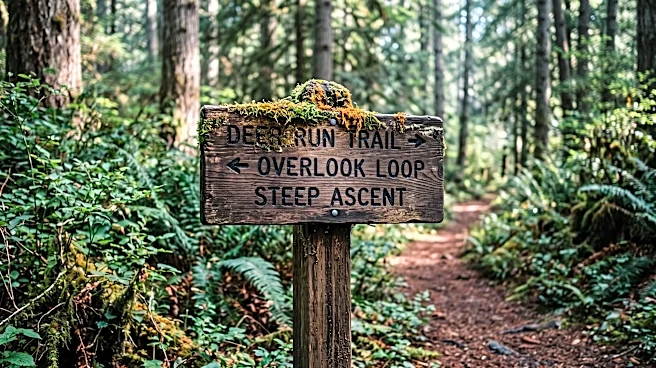
The Missouri Department of Conservation will continue to enforce these regulations within the William R. Logan Conservation Area. Signs, posted regulations, and area maps will remain the primary means of communicating specific restrictions and closures, which can be implemented to protect the public from hazardous conditions, safeguard public safety, and conserve fish and wildlife resources. These measures also allow for special events or resource management activities where public use conflicts might arise. Individuals planning to visit the area are advised to consult the Missouri Code of State Regulations in Chapter 11 of the Wildlife Code or contact the department for the most current information regarding specific activities and any applicable special regulations. The department's discretion in issuing special use permits means that future requests will be evaluated on a case-by-case basis, ensuring compatibility with the area's conservation objectives.
Beyond the Headlines
The comprehensive nature of these regulations reflects a broader trend in conservation management towards balancing public access with ecological preservation. The prohibition of certain activities, such as military training by non-government entities and the placement of trail cameras, highlights concerns about potential impacts on wildlife behavior and privacy within natural habitats. The emphasis on federal, state, and local laws applying on department lands underscores the multi-layered legal framework governing conservation areas. The detailed rules also serve an educational purpose, implicitly guiding visitors on responsible outdoor ethics. The ability to change regulations or close portions of the area due to hazardous conditions or resource management needs demonstrates a proactive approach to environmental stewardship, adapting to unforeseen circumstances or evolving conservation priorities. This adaptive management is critical for the long-term health of ecosystems and the sustainability of recreational opportunities.