






What's Happening?
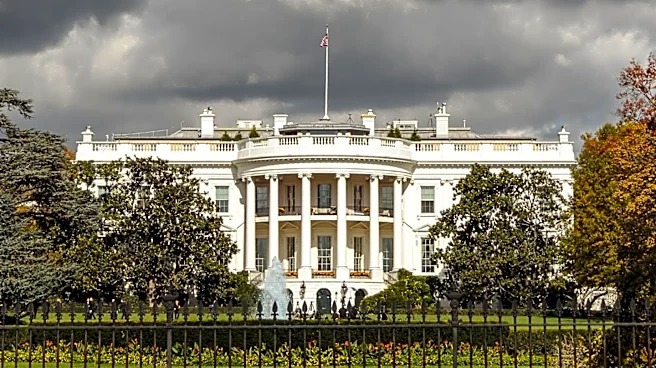
New evidence suggests the White House, under President Trump, took steps to punish the state of Colorado for its handling of election denier Tina Peters. Exactly one year ago, President Trump threatened 'harsh measures' against Colorado unless Peters,
a convicted felon who illegally attempted to tamper with voting machines after the 2020 election, was released from prison early. The New York Times reported that the White House organized an urgent 'brainstorm call' with five federal agencies to explore ways to curtail federal support to Colorado. Days after this call, the Department of Transportation and the Department of Energy, both represented in the meeting, announced the cancellation of hundreds of millions of dollars in federal grants for Colorado projects. An email from White House special assistant Emily Underwood, disclosed in a federal court hearing, reinforces suspicions that the administration's actions against Colorado were a deliberate retaliation.
Why It's Important?
This development is significant as it suggests a potential abuse of presidential power and federal resources to influence state-level legal proceedings and policy. The alleged 'extortion plot' by the White House against a U.S. state raises serious questions about the separation of powers and the integrity of federal-state relations. If confirmed, it could set a precedent for future administrations to use federal funding as leverage to pressure states into complying with presidential demands, even in matters of criminal justice. The targeting of a state for its reluctance to free a convicted felon, especially one involved in election conspiracy theories, could undermine democratic processes and the rule of law. This situation highlights the vulnerability of states to federal pressure when their priorities diverge from those of the sitting administration.
What's Next?
The ongoing investigation and potential legal challenges related to the White House's alleged actions against Colorado are likely to continue. The disclosure of the email from White House special assistant Emily Underwood could lead to further scrutiny and potentially more evidence surfacing in federal court hearings. Political leaders, civil society groups, and legal experts will likely continue to analyze the implications of these actions for federalism and democratic governance. The case of Tina Peters and the alleged retaliation against Colorado may become a focal point in discussions about executive overreach and the protection of state autonomy. Depending on the outcomes of investigations, there could be calls for legislative measures to prevent similar incidents in the future.
Beyond the Headlines
Beyond the immediate political and legal ramifications, this situation touches upon deeper ethical and constitutional questions regarding the appropriate use of presidential authority. The alleged weaponization of federal agencies and funding to punish a state for its judicial decisions could erode public trust in government institutions. It also underscores the ongoing tensions surrounding election integrity and the politicization of the justice system. The incident could contribute to a broader debate about the checks and balances within the U.S. political system and the need for robust protections against executive interference in state affairs. The long-term impact could be a re-evaluation of the relationship between the federal government and individual states, particularly concerning issues deemed politically sensitive by a presidential administration.