





What's Happening?
NATO recently conducted one of its largest operational experimentation events, spanning nearly two weeks in October, to test future battlefield technologies. The exercise, led by NATO Allied Command Transformation (ACT) and supported by Latvia, involved
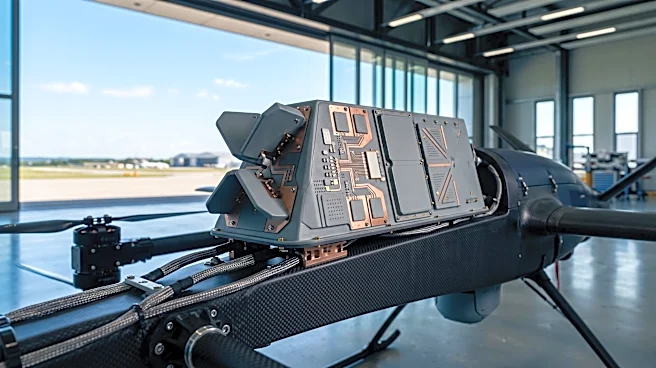
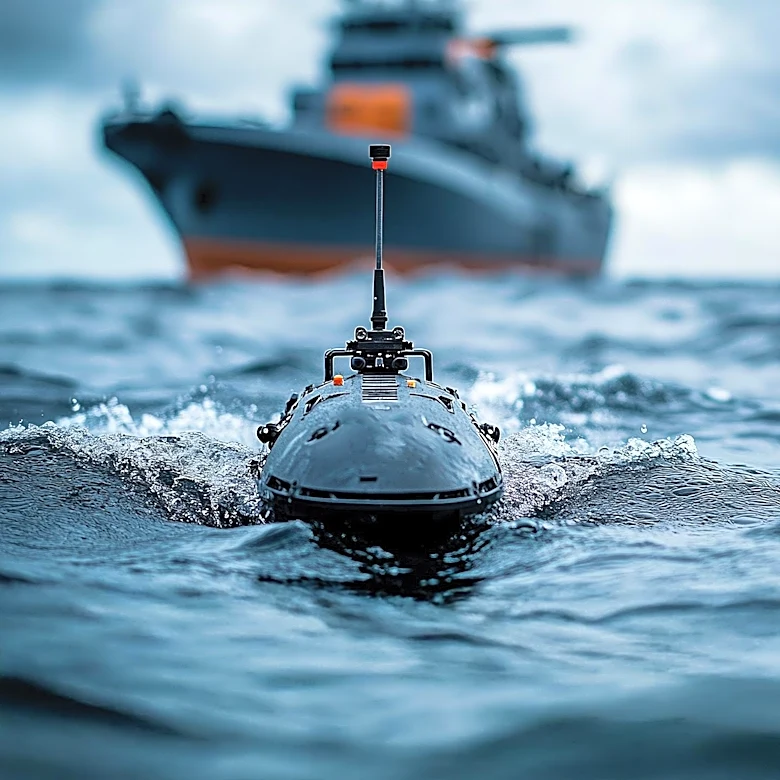
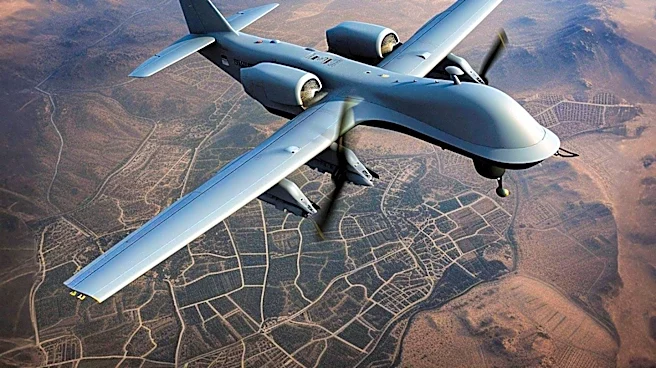
over 30 countries and 100 industry partners, with approximately 500 personnel participating across various sites in Latvia. The primary objective was to assess how emerging technologies and capabilities from different nations can operate together to address evolving threats, particularly in light of the lessons learned from Russia’s war against Ukraine. This conflict has highlighted the impact of increasingly affordable drones, electronic warfare, and connected technologies on modern warfare. The tests focused on achieving interoperability, ensuring that equipment from diverse countries and manufacturers can function seamlessly as a unified system. Participants explored solutions for connecting disparate systems, including the use of AI agents to bridge communication gaps and translate information between different platforms, aiming for interoperability at machine speed. The experimentation also involved testing layered counter-UAS initiatives, which include sensors for drone detection, command and control features for data interpretation, and interceptor drones to neutralize threats.
Why It's Important?
This extensive testing by NATO is crucial for enhancing the collective defense capabilities of the United States and its allies. The emphasis on interoperability directly addresses a critical challenge in modern military operations: ensuring that diverse national systems can communicate and operate effectively together. The insights gained from Russia’s war against Ukraine underscore the urgent need for advanced counter-drone and electronic warfare capabilities, making these tests highly relevant to current and future security landscapes. By integrating AI and other emerging technologies, NATO aims to create a more agile and responsive defense network, capable of adapting to rapidly evolving threats. For U.S. forces, this means potentially more seamless integration with allied operations, improved situational awareness, and enhanced effectiveness in joint missions. The involvement of numerous industry partners also fosters innovation and accelerates the development of cutting-edge defense solutions, benefiting the entire alliance by providing access to a wider range of advanced technologies and expertise. This initiative strengthens NATO's ability to deter aggression and protect its member states.
What's Next?
The findings from these operational experimentation events will inform NATO's future technology adoption strategies and procurement decisions. The focus on AI agents for interoperability suggests a move towards more automated and intelligent battlefield management systems. NATO Allied Command Transformation will likely analyze the performance of the tested technologies and integrate successful solutions into its defense planning and training protocols. This could lead to new standards for equipment compatibility and communication across allied forces. Furthermore, the collaboration between military personnel and industry partners during these tests is expected to foster continued innovation and the development of next-generation defense capabilities. The lessons learned will also influence how NATO adapts its legacy systems to be 'future-proof' and how it integrates new systems to counter threats like advanced drones and electronic warfare. Future exercises will likely build upon these results, refining the integration of AI and other emerging technologies into a cohesive and effective defense framework.
Beyond the Headlines
Beyond the immediate military implications, NATO's embrace of AI and advanced interoperability solutions reflects a broader strategic shift in how modern warfare is conceived and executed. The recognition that 'increasingly affordable drones' are changing the battlefield highlights the democratization of military technology and the need for sophisticated, yet adaptable, countermeasures. The use of AI agents to bridge communication gaps between diverse systems raises ethical and operational questions about autonomous decision-making in combat and the reliability of AI in high-stakes environments. This initiative also underscores the growing importance of public-private partnerships in defense, as military organizations increasingly rely on civilian tech companies for innovation. The drive for 'interoperability at the speed of machines' suggests a future where human-machine teaming becomes central to military effectiveness, potentially leading to significant changes in military doctrine, training, and command structures. This evolution could also have implications for international arms control and the regulation of autonomous weapons systems.