







What's Happening?
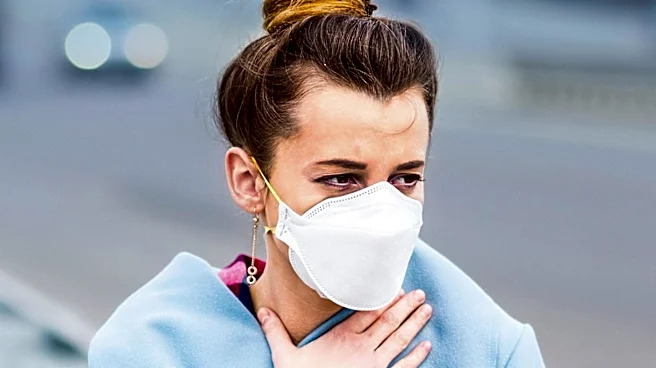
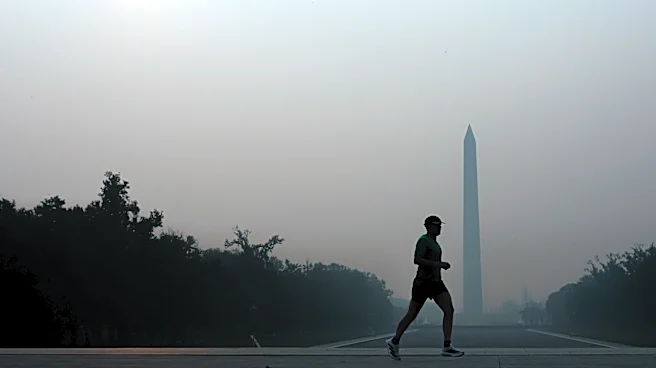
Medical professionals are raising concerns about the long-term health impacts of wildfire smoke exposure, which has been affecting various regions in the U.S. Dr. Abeer Berry, a cardiologist at Huron Valley Hospital, highlights that the fine particles
in wildfire smoke can cause immediate respiratory issues and eye irritation. Prolonged exposure may lead to permanent lung damage and increase the risk of lung cancer. Individuals with pre-existing heart conditions are particularly vulnerable to the adverse effects of smoke inhalation.
Why It's Important?
The health implications of wildfire smoke are significant, as they affect a wide range of the population, particularly those with underlying health conditions. The increase in wildfire incidents, partly attributed to climate change, means that more people are at risk of exposure. This situation underscores the need for public health strategies to mitigate the impact of air pollution and protect vulnerable groups. The potential for long-term health issues could lead to increased healthcare costs and strain on medical facilities.
What's Next?
Public health officials may need to implement measures to protect communities from the effects of wildfire smoke, such as issuing air quality alerts and providing guidance on reducing exposure. Research into the health impacts of smoke exposure could inform future policies and healthcare practices. As wildfires continue to be a recurring issue, there may be increased advocacy for environmental policies aimed at reducing the frequency and severity of these events.