








What's Happening?
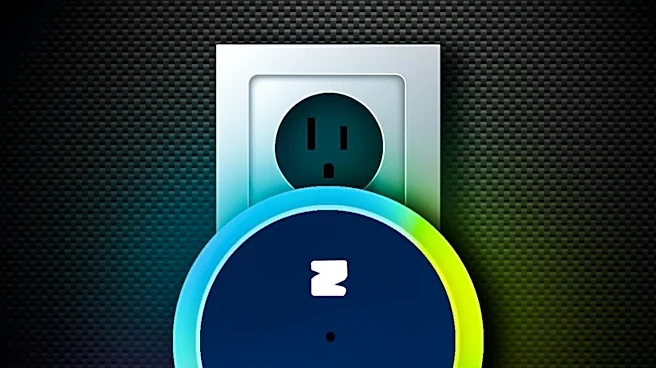
The integration of smart home technology is transforming residential spaces, offering increased convenience, comfort, and security. A key component in this transformation is the smart home hub, a centralized device designed to connect and manage various
smart gadgets within a home. These hubs allow users to control all their smart devices through a single application or voice commands, streamlining operations. Examples of popular smart home hubs include Amazon Echo and Google Home. By connecting devices to a hub, homeowners can establish custom routines and schedules, automating tasks such as turning off lights or locking doors. Some advanced hubs with touchscreens also offer additional functionalities like viewing movies, making video calls, and setting kitchen appliance timers. Essential requirements for a smart home setup include internet connectivity, a Wi-Fi network, and a smart home hub or control panel, alongside various smart devices like lights, thermostats, locks, security systems, and voice-activated assistants.
Why It's Important?
The widespread adoption of smart home technology, facilitated by smart hubs, has significant implications for U.S. households and the consumer electronics market. For consumers, smart homes offer enhanced energy efficiency through automated temperature control and lighting, potentially leading to reduced utility bills. The increased security features, such as smart locks and security cameras, provide greater peace of mind. The convenience of managing multiple devices from a single interface or via voice commands simplifies daily routines, freeing up time and effort. For the technology industry, the growing demand for smart home solutions drives innovation and competition among manufacturers of smart devices and hub platforms. This trend also creates new opportunities for service providers in installation, maintenance, and cybersecurity for smart home systems. However, it also raises concerns about data privacy and security, as centralized hubs collect and process sensitive information about household activities, making robust cybersecurity measures crucial for both consumers and manufacturers.
What's Next?
The smart home market is expected to continue its rapid expansion, with ongoing advancements in artificial intelligence and machine learning likely to make smart hubs even more intuitive and proactive. Future developments may include more sophisticated predictive capabilities, allowing homes to anticipate user needs and adjust settings autonomously. Interoperability between different brands and ecosystems will likely improve, addressing current compatibility challenges and offering consumers greater flexibility in device selection. The integration of 5G technology could further enhance the speed and reliability of smart home networks, enabling more complex and real-time automations. Additionally, as smart homes become more prevalent, there will be an increased focus on developing robust security protocols and privacy safeguards to protect user data from potential cyber threats. The evolution of smart home hubs will likely see them becoming even more central to managing not just devices, but also services, potentially integrating with healthcare, elder care, and other lifestyle applications.
Beyond the Headlines
The rise of smart home hubs extends beyond mere convenience, touching upon deeper societal and ethical considerations. The increasing reliance on automated systems raises questions about digital literacy and accessibility, ensuring that these technologies are beneficial across all demographics. There's an ethical dimension concerning data ownership and usage, as smart hubs collect vast amounts of personal data, prompting discussions about how this information is stored, shared, and protected. The potential for smart homes to create a 'digital divide' between those who can afford and utilize these technologies and those who cannot is also a growing concern. Furthermore, the environmental impact of manufacturing and disposing of numerous smart devices, as well as their energy consumption, will become more prominent as adoption rates climb. The long-term psychological effects of living in highly automated environments, including potential impacts on human agency and decision-making, are also areas that warrant further exploration as smart homes become the norm.