

What's Happening?
Iran and its Houthi allies in Yemen are reportedly considering targeting the Red Sea as part of their strategy to exert economic pressure by disrupting critical maritime transit points. This development follows the U.S. launch of Operation Epic Fury on February
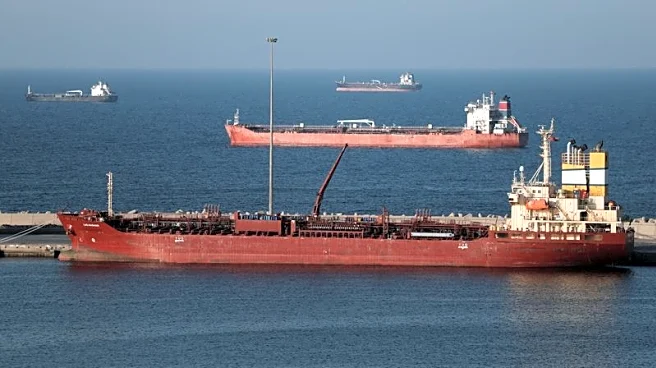
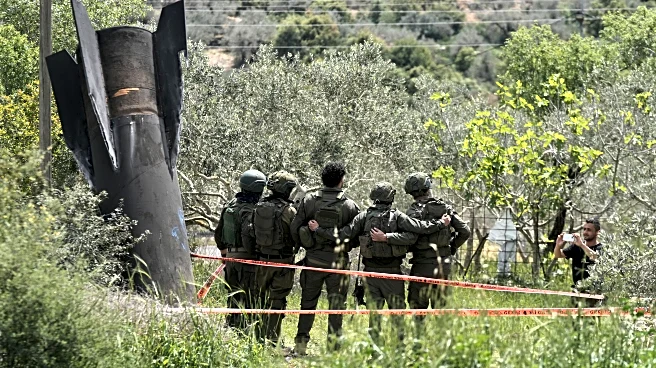
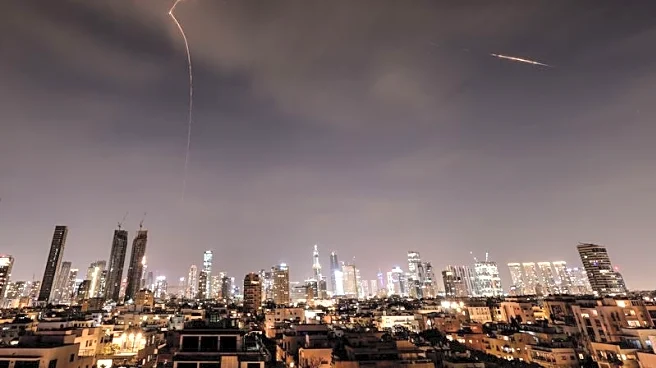
28. The Houthis, who have been relatively inactive since the operation began, are now threatening to block the Strait of Bab el-Mandeb, a crucial passage for global shipping. This strait is vital as it facilitates the movement of approximately 10% of the world's oil and 20% of its container traffic. The Houthis have demonstrated their missile and drone capabilities in the past, particularly during conflicts involving Israel. Their recent threats include a potential naval blockade against the U.S. and Israel, as stated by Houthi spokesman Abed al-Thawr. This escalation is part of Iran's broader strategy of asymmetric warfare, aiming to impose costs on the U.S. and its allies, which has already contributed to a rise in oil prices.
Why It's Important?
The potential targeting of the Red Sea by Iran and its allies could have significant implications for global trade and energy markets. The Strait of Bab el-Mandeb is a critical chokepoint for international shipping, and any disruption could lead to increased shipping costs and further spikes in oil prices. This situation underscores the ongoing geopolitical tensions in the Middle East, where Iran's actions are seen as a direct challenge to U.S. influence and its allies in the region. The escalation could also strain U.S. military resources, as it may necessitate increased naval presence to ensure the security of maritime routes. Additionally, the threat of a naval blockade could lead to heightened military engagements, further destabilizing the region and impacting global economic stability.
What's Next?
If the Houthis proceed with their threats, the U.S. and its allies may need to respond with increased military deployments to secure the Red Sea and ensure the free flow of commerce. This could involve diplomatic efforts to de-escalate tensions or military actions to deter further aggression. The international community, particularly countries reliant on oil imports through this route, will be closely monitoring the situation. Any significant disruption could prompt coordinated international responses to mitigate the impact on global trade and energy supplies.