






What's Happening?
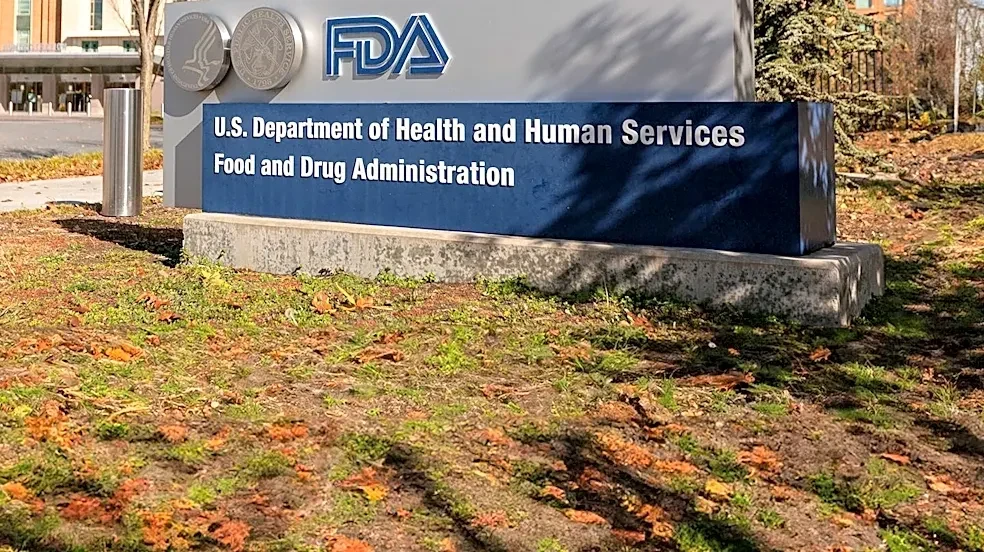
The U.S. Food and Drug Administration (FDA) has announced a nationwide Class II recall affecting more than 4.3 million tubes of toothpaste. The recall, initiated voluntarily by Pritam International Private Limited on September 10 and classified by the
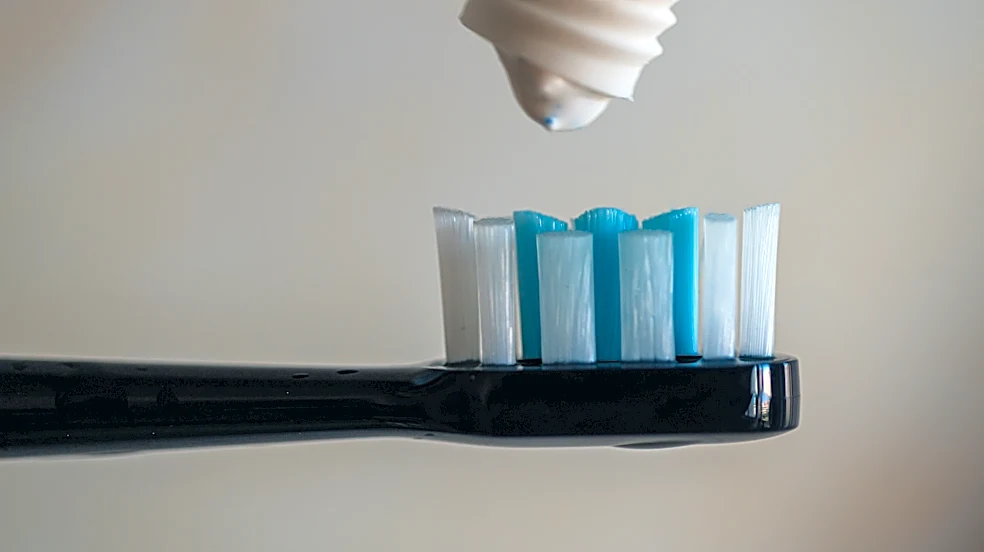
FDA on October 19, pertains to 17 varieties of toothpaste distributed by Ashtel Studios Inc. The primary reason for the recall is deviations from Current Good Manufacturing Practice (CGMP) regulations, which are standards ensuring the proper and consistent manufacturing of products. While no specific details regarding the manufacturing issues were provided, the FDA's Class II classification indicates that exposure to the violative product may cause temporary or medically reversible adverse health consequences, or that the probability of serious adverse health consequences is remote. The recalled products include popular children's toothpastes featuring characters like Barbie, Hot Wheels, Crayola Silly Scents, and My Little Pony, as well as adult varieties for whitening, sensitivity, cavity protection, and gum health. Consumers are advised to discontinue use and contact the retailer or manufacturer for refunds.
Why It's Important?
This recall is significant as it impacts a widely used daily consumer product, including those marketed specifically for children. The deviation from CGMP standards raises concerns about product quality and safety, even if the immediate health risks are classified as remote. For consumers, particularly parents, it underscores the importance of vigilance regarding product recalls and checking lot numbers, as not all products from the affected brands are necessarily recalled. For manufacturers and distributors, it highlights the critical need for strict adherence to regulatory guidelines to maintain consumer trust and avoid costly recalls. The involvement of popular children's characters in the recalled products could also lead to increased scrutiny from consumer advocacy groups regarding product safety for vulnerable populations. The recall's Class II designation, while not indicating high health risk, still points to potential temporary health issues, emphasizing the FDA's role in safeguarding public health through regulatory oversight.
What's Next?
Consumers who have purchased the recalled toothpaste products should immediately stop using them. They have the option to dispose of the products or contact the retailer or manufacturer, Pritam International Private Limited or Ashtel Studios Inc., for information on returns or refunds. The FDA will likely continue to monitor the recall process to ensure affected products are removed from the market. Manufacturers, especially those involved in the production of health and personal care items, may face increased pressure to review and reinforce their CGMP compliance to prevent similar incidents. This event could also prompt retailers to enhance their internal processes for handling recalled products and communicating with customers. The broader implications might include a temporary dip in consumer confidence for the affected brands and potentially a more rigorous enforcement of manufacturing standards by regulatory bodies for similar product categories.
Beyond the Headlines
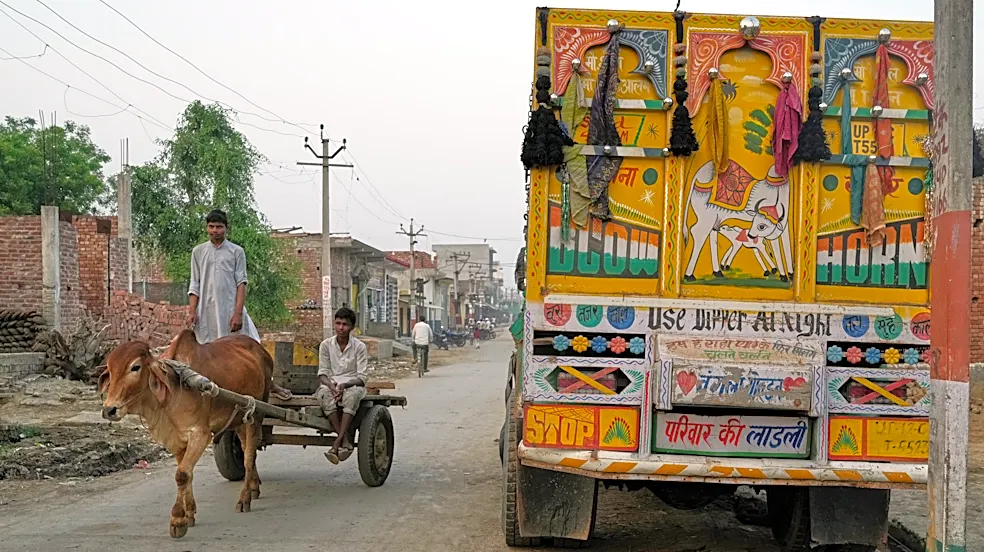
The recall of millions of toothpaste tubes due to manufacturing deviations extends beyond immediate product safety concerns to touch upon broader issues of global supply chain oversight and consumer trust. Pritam International Private Limited, the manufacturer, is based in India, and the products are distributed in the U.S. by Ashtel Studios Inc. This international dimension highlights the complexities of ensuring consistent quality across global manufacturing networks. The incident could prompt a deeper examination of how U.S. regulatory bodies, like the FDA, oversee foreign manufacturers whose products enter the American market. Furthermore, the inclusion of children's character-branded toothpastes in the recall brings to light the ethical considerations for companies marketing products to children, where the expectation of safety is paramount. This event serves as a reminder that even seemingly innocuous daily products require stringent quality control to protect public health and maintain consumer confidence in a globalized marketplace.