



What's Happening?
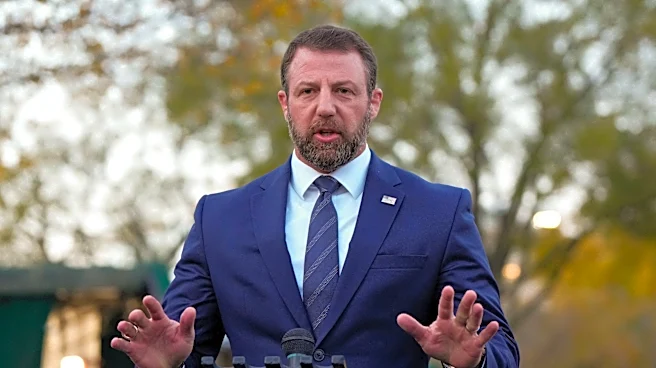
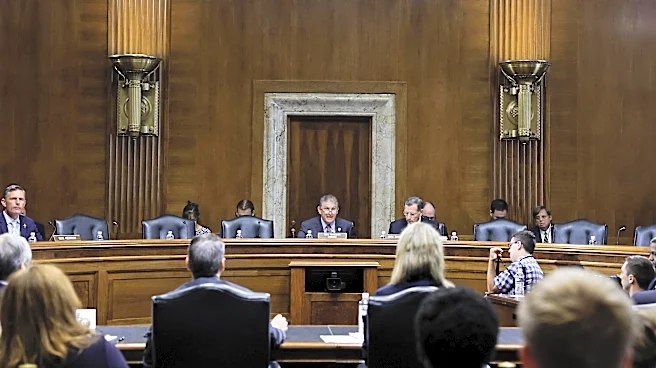
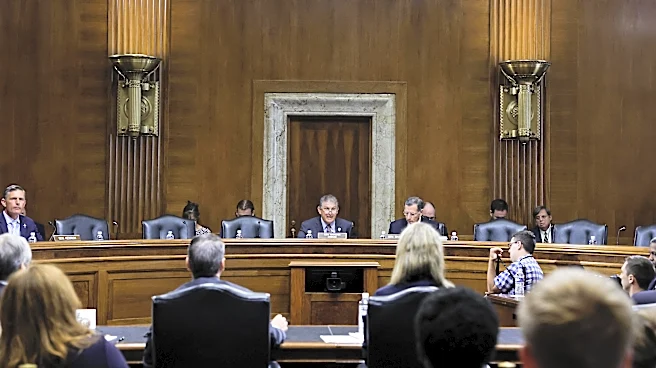
Subcommittee on Emergency Management and Technology Chairman Dale Strong (R-AL) has announced a hearing for Thursday, November 19, to assess the Federal Emergency Management Agency’s (FEMA) capabilities and readiness. The hearing, titled “Beyond the Storm:
Assessing FEMA’s Mission Readiness,” will feature testimony from The Honorable Cameron Hamilton, Administrator of FEMA. Key discussion points will include recent developments concerning FEMA’s structure and governance, such as the addition of federal disaster assistance delivery to the Government Accountability Office’s (GAO) High-Risk List. The hearing will also address FEMA’s administration of preparedness grants and its integration of functions from the now-dissolved U.S. Department of Homeland Security (DHS) Countering Weapons of Mass Destruction Office (CWMD). This follows a previous subcommittee hearing in March 2025, which focused on the future of FEMA from the perspective of the emergency management community. Chairman Strong emphasized the critical role FEMA plays in disaster preparedness, response, and recovery, highlighting the necessity of Congressional oversight to ensure the agency's effective and efficient operation.
Why It's Important?
This Congressional hearing is crucial for ensuring accountability and effectiveness within FEMA, an agency vital to national disaster response and recovery. The inclusion of federal disaster assistance on the GAO’s High-Risk List signals significant concerns about FEMA's operational efficiency and financial management, which could impact the timely and equitable distribution of aid to communities affected by disasters. Scrutiny over preparedness grants and the integration of CWMD functions will determine if FEMA is adequately equipped to handle a broad spectrum of emergencies, including those involving weapons of mass destruction. The outcomes of this hearing could lead to policy adjustments, funding reallocations, or structural reforms within FEMA, directly influencing the agency's ability to support state, local, tribal, and territorial governments in protecting lives and property. For U.S. citizens, this translates to potentially improved or hindered disaster preparedness and recovery efforts, particularly as climate change increases the frequency and intensity of natural disasters.
What's Next?
The hearing is scheduled for Thursday, November 19, 2026, at 10:00 AM ET in the 310 Cannon House Office Building. Administrator Cameron Hamilton will provide testimony, which will be made available online. The event will be livestreamed on YouTube and is open to the public and press, with congressional credentialing required for media. Following the hearing, the Subcommittee may issue recommendations for legislative action or administrative changes within FEMA. These recommendations could address the GAO's concerns regarding federal disaster assistance, propose new guidelines for preparedness grants, or suggest further integration strategies for the CWMD functions. The ongoing Congressional oversight is expected to continue, with potential follow-up hearings or legislative initiatives aimed at strengthening the nation's emergency management capabilities and ensuring FEMA's readiness for future challenges.
Beyond the Headlines
Beyond the immediate operational and financial concerns, this hearing touches upon the broader ethical and societal implications of disaster management. The effectiveness of FEMA directly impacts the resilience of vulnerable communities, particularly those disproportionately affected by disasters. Questions about FEMA's administration of preparedness grants and its overall readiness can highlight systemic inequities in resource allocation and disaster planning. The integration of CWMD functions also raises complex questions about the evolving nature of threats and the need for a comprehensive, multi-hazard approach to emergency management. The long-term shifts triggered by this development could include a re-evaluation of federal-state-local partnerships in disaster response, a greater emphasis on proactive mitigation strategies, and a push for more transparent and accountable financial practices within federal agencies responsible for emergency aid. The hearing serves as a critical juncture for assessing whether FEMA's current framework adequately addresses the complex and diverse challenges of modern disaster scenarios.