
What's Happening?
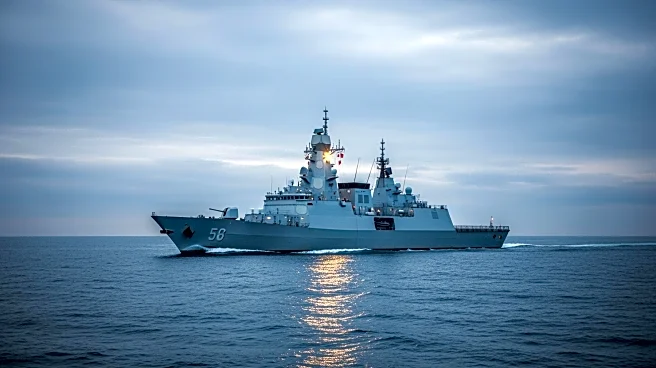
The United States has deployed approximately 3,500 sailors and Marines to the Middle East as part of a strategic military buildup in response to potential threats from Iran. The forces arrived aboard the USS Tripoli, an America-class amphibious assault
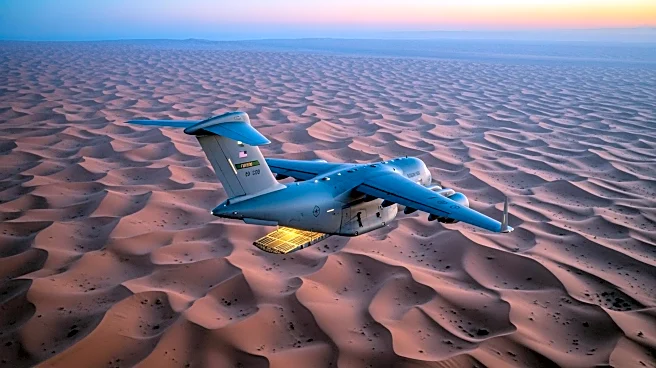
ship, which serves as the flagship of the Tripoli Amphibious Ready Group and the 31st Marine Expeditionary Unit. This deployment includes transport and strike fighter aircraft, amphibious assault capabilities, and other tactical assets designed for rapid-response operations. The move is part of a broader U.S. military strategy to enhance its presence in the region amid ongoing tensions with Iran. The Pentagon is reportedly considering sending an additional 10,000 ground troops to expand military options, which may include infantry units and armored vehicles.
Why It's Important?
This deployment underscores the escalating military tensions between the United States and Iran, highlighting the strategic importance of the Middle East in U.S. foreign policy. The presence of U.S. forces in the region serves as a deterrent against potential Iranian aggression and ensures the protection of key strategic locations, such as oil export terminals. The buildup also reflects the U.S. commitment to maintaining regional stability and safeguarding its interests and allies. The potential deployment of additional troops could further strain U.S.-Iran relations and impact global oil markets, given the region's significance in energy production and export.
What's Next?
The U.S. military's next steps may involve further troop deployments and strategic positioning to enhance readiness for any potential conflict with Iran. The Pentagon's consideration of additional ground forces suggests a preparedness for various military scenarios, including peace talks or escalated military engagement. The international community will likely monitor these developments closely, as any significant military action could have widespread geopolitical and economic repercussions. Key stakeholders, including U.S. allies in the region, may also adjust their military and diplomatic strategies in response to the evolving situation.