







What's Happening?
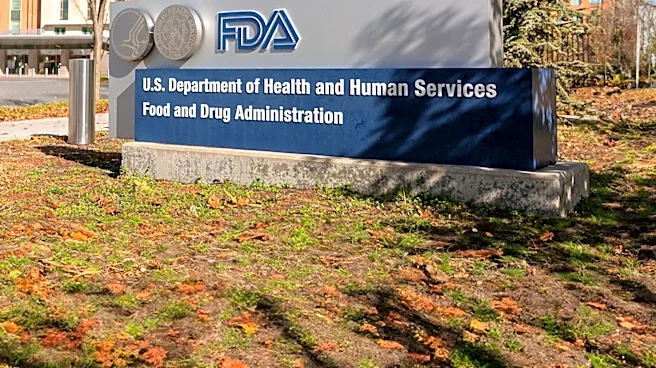
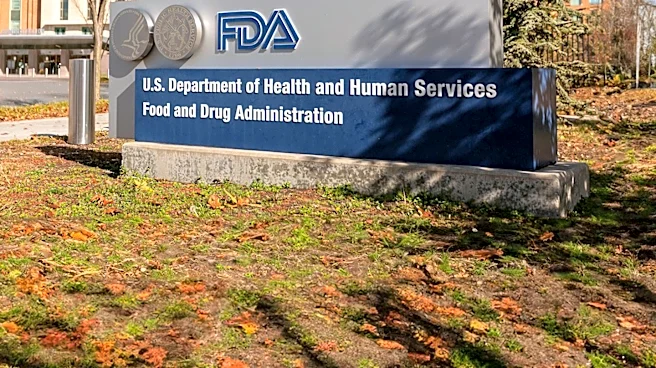
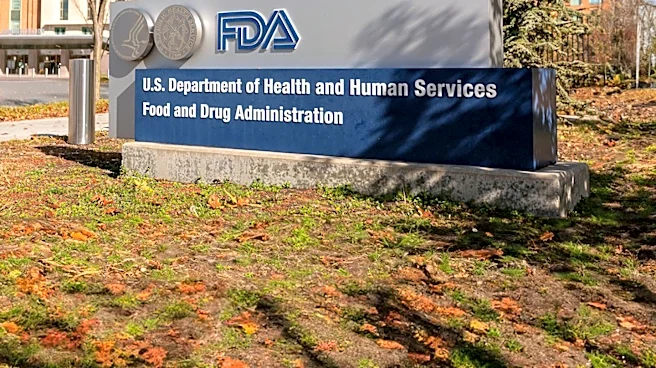
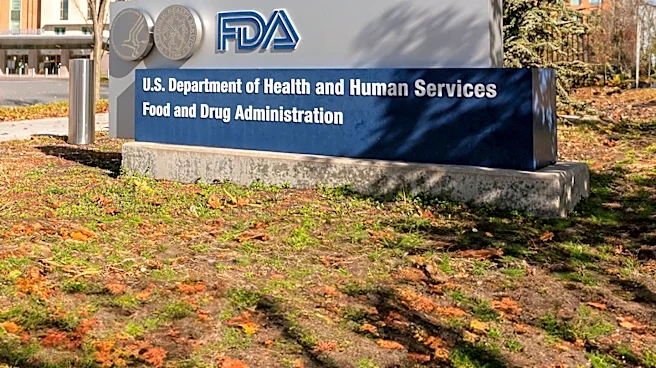
The Food and Drug Administration (FDA) has approved two new blood tests designed to measure p-tau217, a protein indicative of amyloid plaques in the brain, which are a hallmark of Alzheimer's disease. These tests offer a less invasive method for detecting
brain changes associated with Alzheimer's, similar in accuracy to brain scans. However, Dr. David Holtzman, a neurologist at Washington University School of Medicine in St. Louis, clarifies that these FDA-approved tests are specifically intended for individuals who are already experiencing symptoms of the disease. They are not approved for asymptomatic individuals, primarily because the current amyloid-removing drugs are only sanctioned for patients who have already developed dementia symptoms. This creates a dilemma for individuals without memory loss or other symptoms who might test positive, as there is currently no medically established course of action for them, potentially leading to anxiety without immediate treatment options.
Why It's Important?
The approval of these blood tests marks a significant advancement in Alzheimer's diagnostics, offering a more accessible and less invasive alternative to traditional brain scans. This could lead to earlier and more accurate diagnoses for symptomatic patients, potentially allowing for timely intervention with available treatments. However, the current limitation—that these tests are not approved for asymptomatic individuals—highlights a critical gap in Alzheimer's care. For those with a family history or personal concerns but no symptoms, a positive test result could induce considerable psychological distress without providing a clear medical pathway. This situation underscores the urgent need for further research into preventive treatments or interventions for asymptomatic individuals who show early biological signs of Alzheimer's. The development also raises questions about the ethical implications of widespread screening before effective preventive treatments are available, impacting patient counseling, healthcare resource allocation, and insurance coverage policies.
What's Next?
Researchers are actively investigating whether Alzheimer's can be prevented or delayed by treating asymptomatic individuals who test positive for amyloid plaques with amyloid drugs. Michael Malek-Ahmadi, a scientist at Banner Health in Phoenix, indicates that if these studies prove successful, amyloid testing could become a standard screening procedure for older patients, aiming to identify individuals with the biology of Alzheimer's before symptoms manifest. In the interim, the decision to undergo such a test for asymptomatic individuals remains a complex one, typically made in consultation between doctors and patients, weighing the potential benefits of early knowledge against the psychological burden and lack of immediate treatment options. Future developments will likely focus on expanding the indications for existing drugs or developing new therapies that can effectively intervene in the pre-symptomatic stages of the disease, which would then pave the way for broader application of these blood tests.
Beyond the Headlines
The advent of highly accurate blood tests for Alzheimer's disease, even with current limitations, signals a profound shift in the diagnostic paradigm for neurodegenerative conditions. Beyond the immediate clinical applications, this development touches upon broader societal and ethical considerations. The ability to detect Alzheimer's pathology years before symptom onset could reshape personal life planning, financial decisions, and end-of-life care discussions for individuals at risk. It also raises questions about genetic privacy and the potential for discrimination in insurance or employment based on biomarker status. From a public health perspective, widespread adoption of such tests would necessitate robust counseling services and educational campaigns to manage patient expectations and mitigate anxiety. Furthermore, it could accelerate research into the fundamental mechanisms of Alzheimer's, potentially leading to a deeper understanding of the disease and the development of truly preventive strategies, thereby transforming Alzheimer's from an untreatable condition into a manageable chronic illness.