








What's Happening?
The Open Society Foundations, founded by billionaire philanthropist George Soros, has announced a significant investment of $300 million aimed at enhancing economic security and defending civil liberties in the United States. This initiative comes amidst
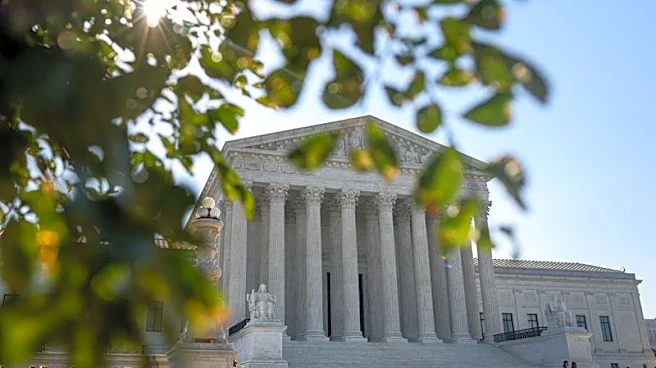
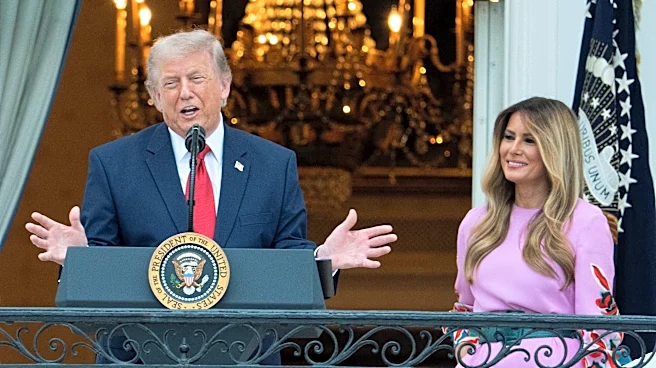
what the organization perceives as a crisis in affordability and an attack on the rule of law, 16 months into President Trump's second term. The investment seeks to integrate efforts to modernize rights and freedoms with economic reforms, reflecting a historical linkage between liberty and livelihood. The initiative is a response to perceived rollbacks in civil rights and voting rights, driven by recent Supreme Court decisions. The OSF plans to support strategic litigation, non-profit sector defense, and efforts to combat government corruption, with a focus on expanding civil rights to address modern challenges such as algorithmic bias.
Why It's Important?
This investment by the Open Society Foundations is significant as it addresses pressing issues of economic inequality and civil liberties in the U.S. The initiative aims to create a new social compact that resonates across various constituencies, advocating for rights to fair wages, affordable housing, childcare, healthcare, and safe communities. By focusing on both economic and civil rights, the OSF seeks to counteract recent legal and societal shifts that threaten these fundamental protections. The commitment highlights the importance of civil society in maintaining democratic values and the rule of law, especially in times of perceived governmental overreach. The initiative could potentially influence public policy and inspire similar efforts by other organizations, thereby impacting millions of Americans facing economic and social challenges.
What's Next?
The Open Society Foundations plans to allocate $20 million this year to support organizations on the frontlines of these issues, including the Roosevelt Institute and the National Women's Law Center. The focus will be on strategic litigation and advocacy to protect and expand civil rights. The OSF's efforts may face backlash, particularly from those who view Soros as a controversial figure in U.S. politics. However, the organization remains committed to its mission, undeterred by potential criticism. The initiative could lead to increased collaboration among civil society groups and potentially influence legislative and judicial actions aimed at safeguarding economic and civil rights. The broader impact of this investment will depend on the response from political leaders, businesses, and the public.
Beyond the Headlines
The OSF's initiative underscores the interconnectedness of economic and civil rights, drawing on historical precedents from the civil rights movement and the New Deal era. By addressing modern threats such as algorithmic discrimination, the initiative highlights the evolving nature of civil rights in the digital age. The focus on economic security as a civil right challenges traditional views and could lead to a reevaluation of policy priorities. This approach may also prompt discussions on the role of philanthropy in shaping public policy and the ethical implications of such influence. The initiative's success could set a precedent for other philanthropic efforts aimed at addressing systemic issues in society.