







What's Happening?
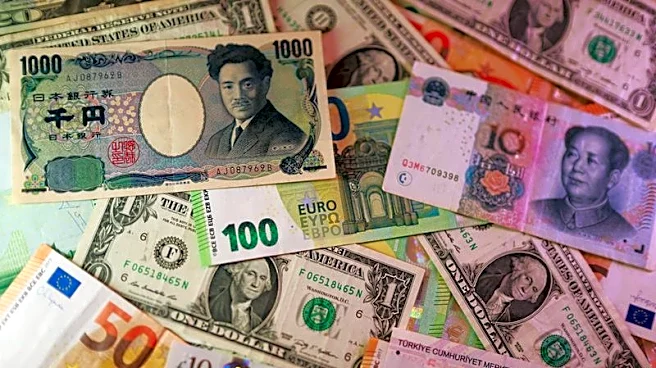
The United States and Japan have intervened in the currency markets to support the Japanese yen, marking the first such action since the 1998 Asian financial crisis. This intervention was prompted by the yen's significant depreciation, which breached
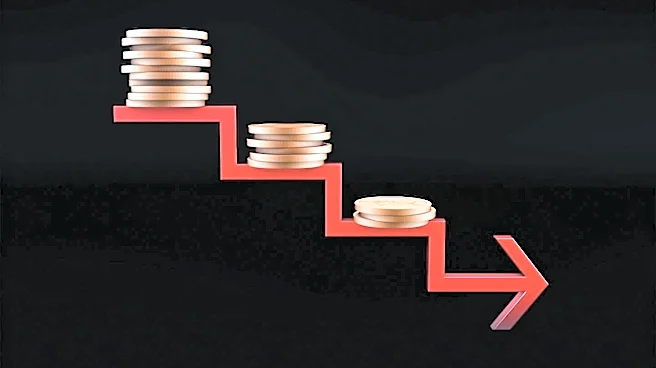
the Bank of Japan's critical threshold of 162 yen to the dollar. The Bank of Japan and the US Treasury collectively spent billions to stabilize the yen, temporarily boosting its value. However, the yen's exchange rate has since slipped, raising concerns about Japan's economic fundamentals, including high government debt and rising inflation.
Why It's Important?
The intervention highlights the interconnectedness of global economies and the potential risks posed by currency fluctuations. A weaker yen could lead to capital outflows from the US, where Japanese investors hold significant assets, potentially impacting US bond yields and financial stability. Additionally, a depreciating yen could make Japanese exports more competitive, affecting trade balances and economic relations. The situation underscores the challenges faced by Japan in managing its economic policies amid global pressures and the implications for international financial markets.
What's Next?
Further interventions may be necessary if the yen continues to weaken. The Bank of Japan might consider raising interest rates to support the currency, despite potential domestic economic repercussions. The US and Japan will need to closely monitor the situation to prevent further destabilization. The outcome of these interventions could influence future monetary policy decisions and international economic relations.